Maroon Lake (Aspen)
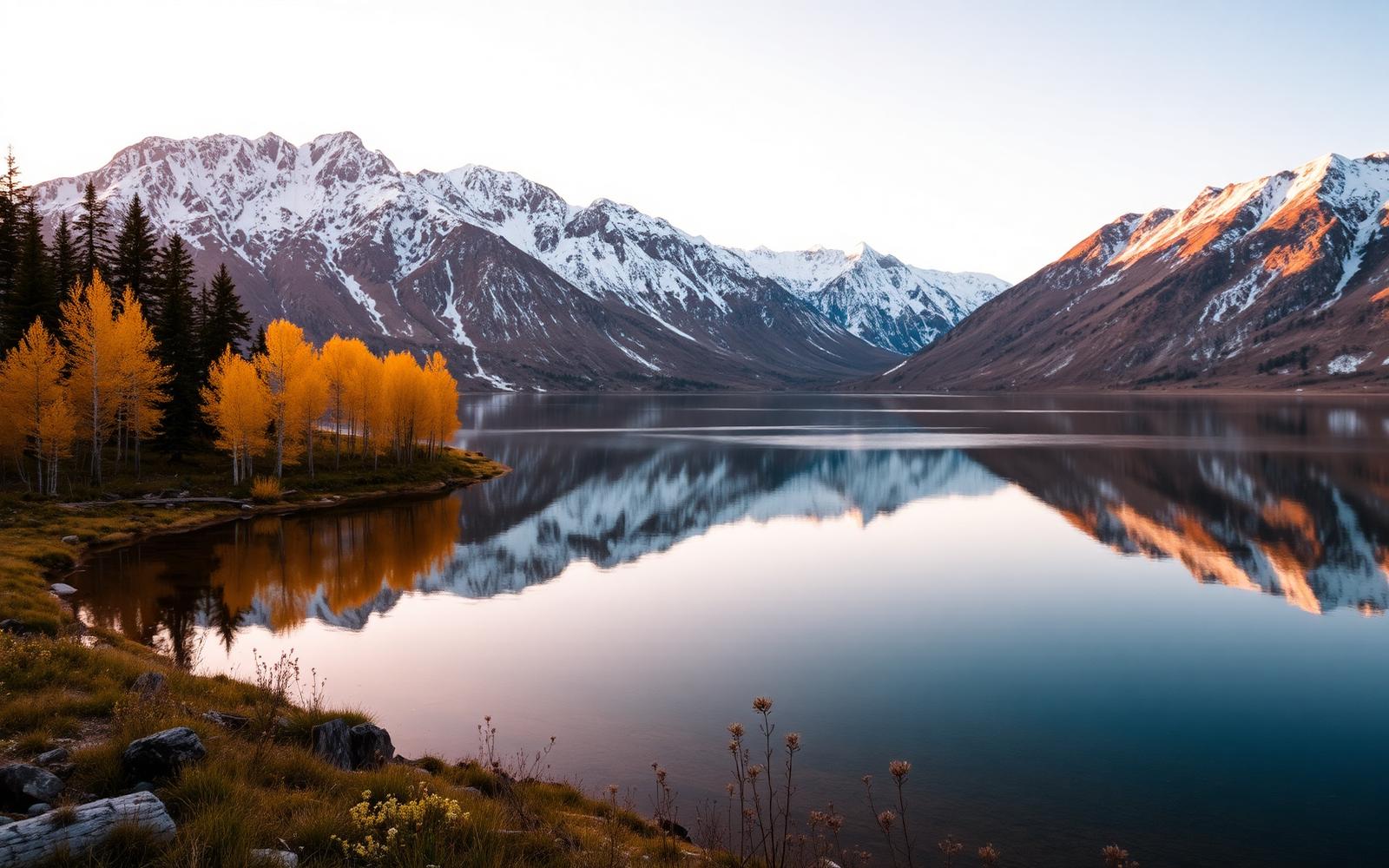
The postcard view — Maroon Bells reflected in glassy water at sunrise. Shuttle access required from mid-June to October.
Alpine lakes, golden aspen forests, wildlife corridors, scenic drives, and the slower side of Colorado travel.
Outside the dispensaries and concert venues, Colorado is simply one of the most beautiful states in the country. A slower itinerary built around alpine lakes, aspen groves, scenic drives, and sunrise viewpoints is often more memorable than chasing peaks. This guide highlights the best nature-first experiences to anchor your visit.
The postcard view — Maroon Bells reflected in glassy water at sunrise. Shuttle access required from mid-June to October.
Easy paved loop in Rocky Mountain National Park with massive peak reflections. The ranger-led walks are excellent.
A turquoise gem on a steep but short hike. Reservation system required; some of the strictest preservation rules in the state.
Sailboats, paddleboards, and a bike path circling 27 miles of shoreline with Tenmile Range views.
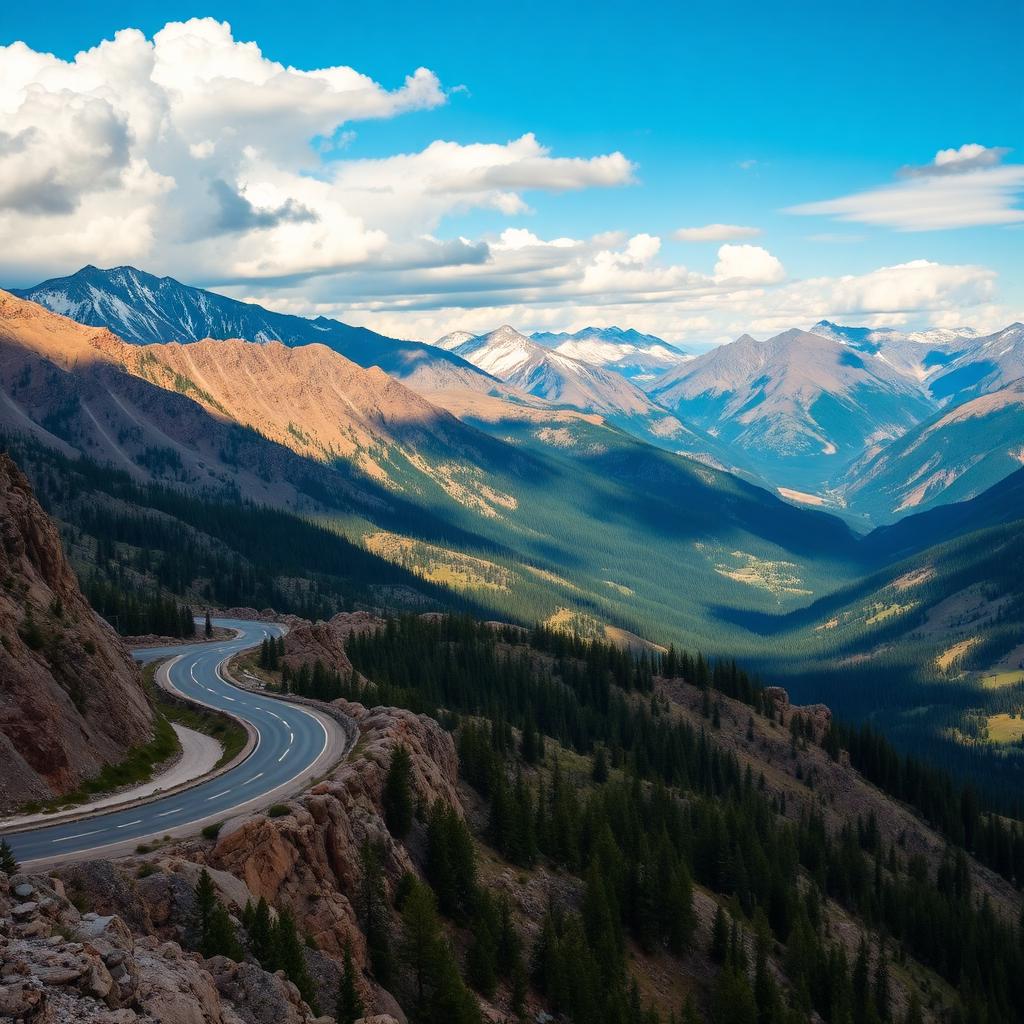
The Peak to Peak Highway winds from Estes Park to Black Hawk through dense pine and aspen. Trail Ridge Road climbs above tree line in RMNP. The San Juan Skyway in southwest Colorado is one of the most underrated scenic loops in the U.S.
Fall rutting season (September–October) brings massive bull elk into town. Keep 75+ feet of distance.
Reliable sightings near the summit road and Summit Lake.
An easy walk south of Denver where bighorns are nearly guaranteed.
Massive spring migration through the San Luis Valley each March.
Colorado has hundreds of established campgrounds across state parks and national forests. Reservations at recreation.gov for popular spots open six months in advance. Picnic-friendly day-use areas include Sprague Lake, Echo Lake, and Mueller State Park.
Iconic Colorado nature destinations
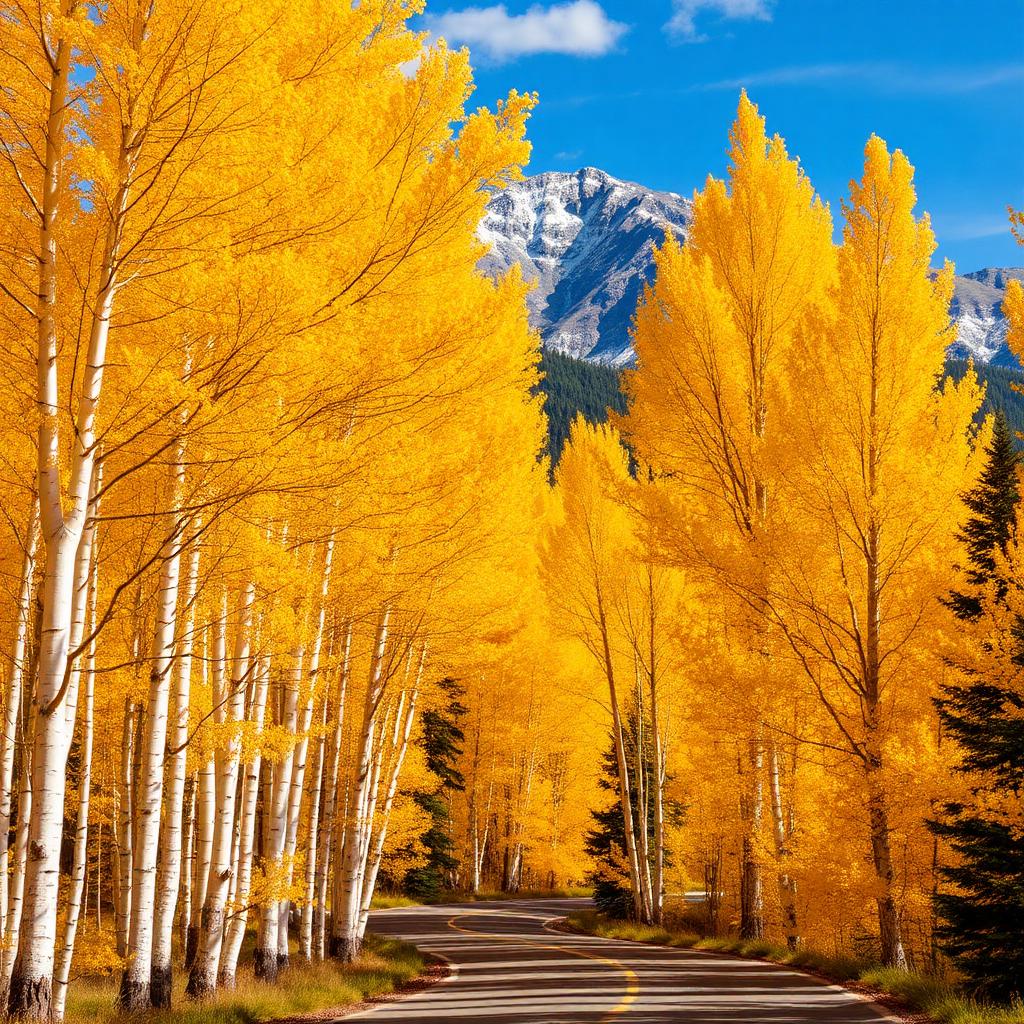
Mid-to-late September at higher elevations (10,000+ ft) and into early October on the Front Range. Kebler Pass, Maroon Bells, and the Million Dollar Highway are top spots.
Rocky Mountain National Park (elk in fall), Mount Evans (mountain goats), Estes Park (bighorn sheep), and the San Luis Valley (sandhill cranes in spring migration).
Yes on most National Forest land — 14-day stay limits, leave-no-trace, and fire restrictions apply. Cannabis is federally illegal on these lands.