Why this matters
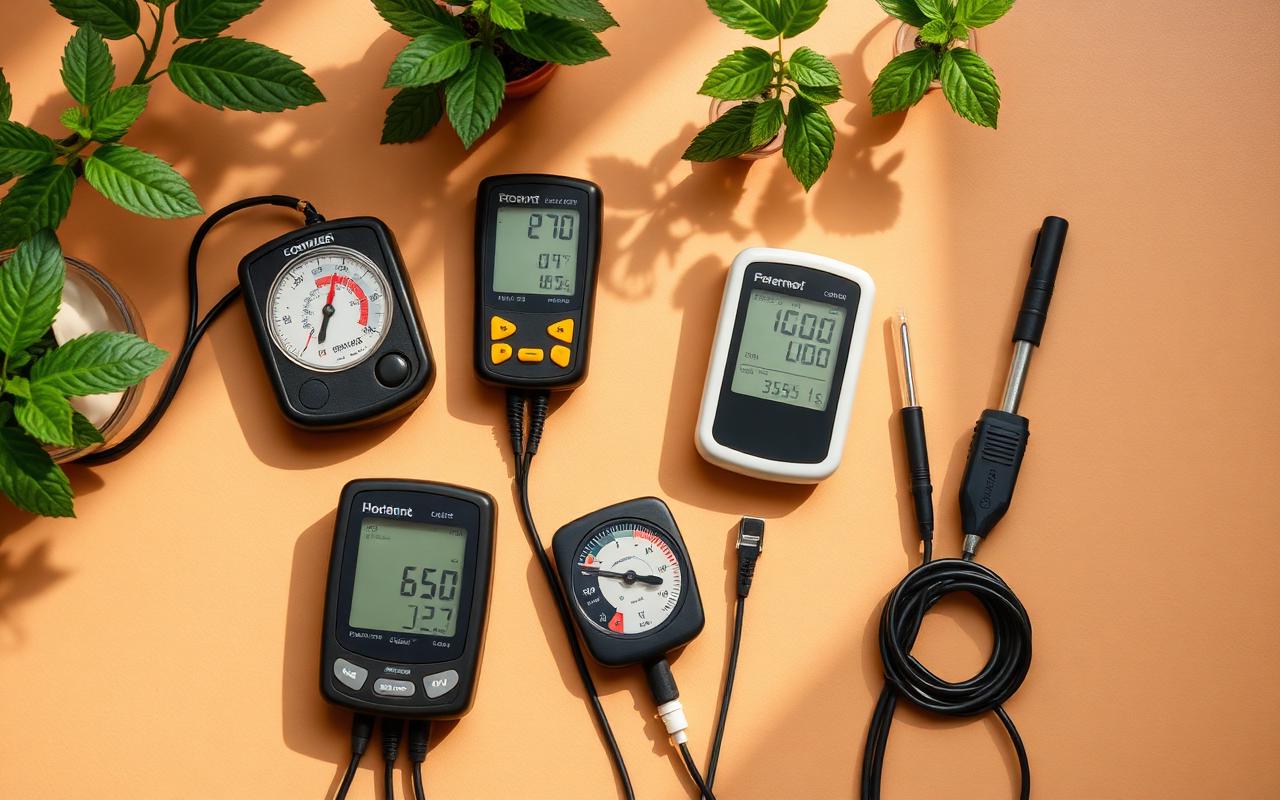
Most failed grows are environmental failures. Heat, humidity, pH and nutrient strength all interact. Without measurement tools, you're guessing at every variable.
A small investment in basic meters and controllers transforms the experience from chaos to calm. You stop reacting to problems and start preventing them. A good grow room environmental monitor is the difference between catching a problem at 2am and discovering it on day three.
Before you shop, it helps to have your tent and airflow dialed in — see our grow tent buyer's guide and ventilation and carbon filter guide first.
What to look for
Thermo-hygrometer
Tracks temperature and humidity in the tent. Get one with min/max memory so you can see overnight extremes.
pH meter
Essential for any feed schedule. Soil wants 6.3-6.8; hydroponics 5.5-6.2.
EC/PPM meter
Measures nutrient strength in water. Prevents both underfeeding and nutrient burn.
Smart controller
Automates fans, dehumidifiers and lights based on tent conditions.
Light meter / PAR meter
Measures actual light at the canopy — far more useful than 'watts' on a spec sheet.
CO2 monitor
Only relevant if you're supplementing CO2, but critical when you are.
Digital thermometer hygrometers
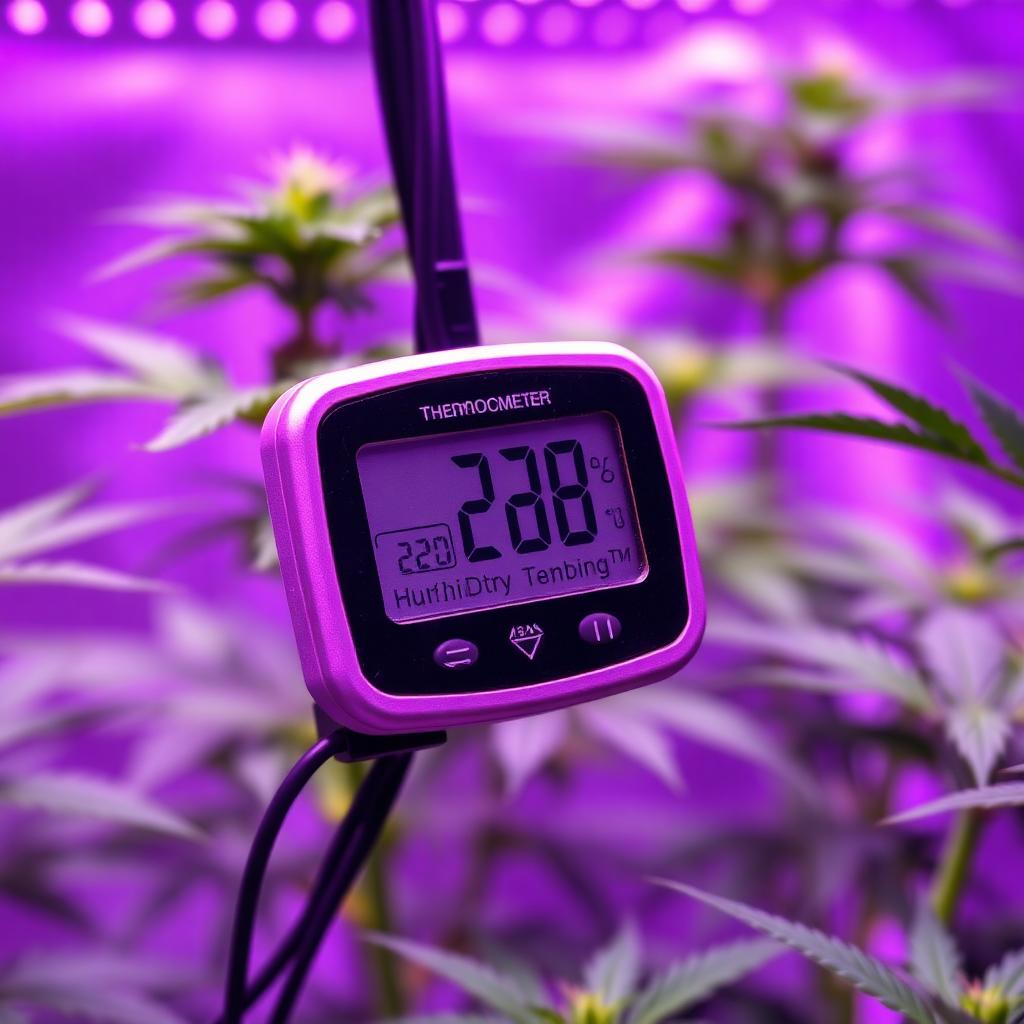
The classic two-in-one device every grower starts with. A digital thermometer hygrometer measures both temperature and relative humidity from a single unit, usually with a wired probe and an LCD screen.
What it does
Reads the air temperature and relative humidity inside the tent and shows them on a small display, often with min/max memory.
Why growers use it
Cannabis has narrow tolerances. Even 5°F or 10% RH outside the ideal window slows growth, stresses plants and invites mold or spider mites. A reliable grow tent hygrometer is the cheapest insurance you can buy.
Key features to look for
- ±1°F and ±3% RH accuracy
- Min/max memory for overnight tracking
- Remote probe on a 3-6 ft cable
- Backlit display so you can read through the viewing window
- Magnetic mount or hanging hook
Advantages
- Cheap — under $20 for a quality unit
- No batteries or Wi-Fi setup headaches beyond a single coin cell
- Instant, always-on reading
Limitations
- No alerts when you're away
- No data history beyond min/max
- You have to open the tent to reset or read the back
Best use cases
Which Option Is Right for You?
$10 – $25
Best for
First-time growers running a single 2x2 or 2x4 tent.
Core features
- LCD display with current temp + RH
- Min/max memory
- Wired remote probe (3–6 ft)
- Coin-cell battery
Advantages
- Cheapest reliable insurance against environment swings
- No setup, no app, no Wi-Fi needed
- Easy to mount with hook or magnet
Limitations
- No alerts when you're away from the tent
- No historical graphing
When the upgrade is worth it
If you only need a quick at-a-glance reading and you're in the room every day, this is all you need.
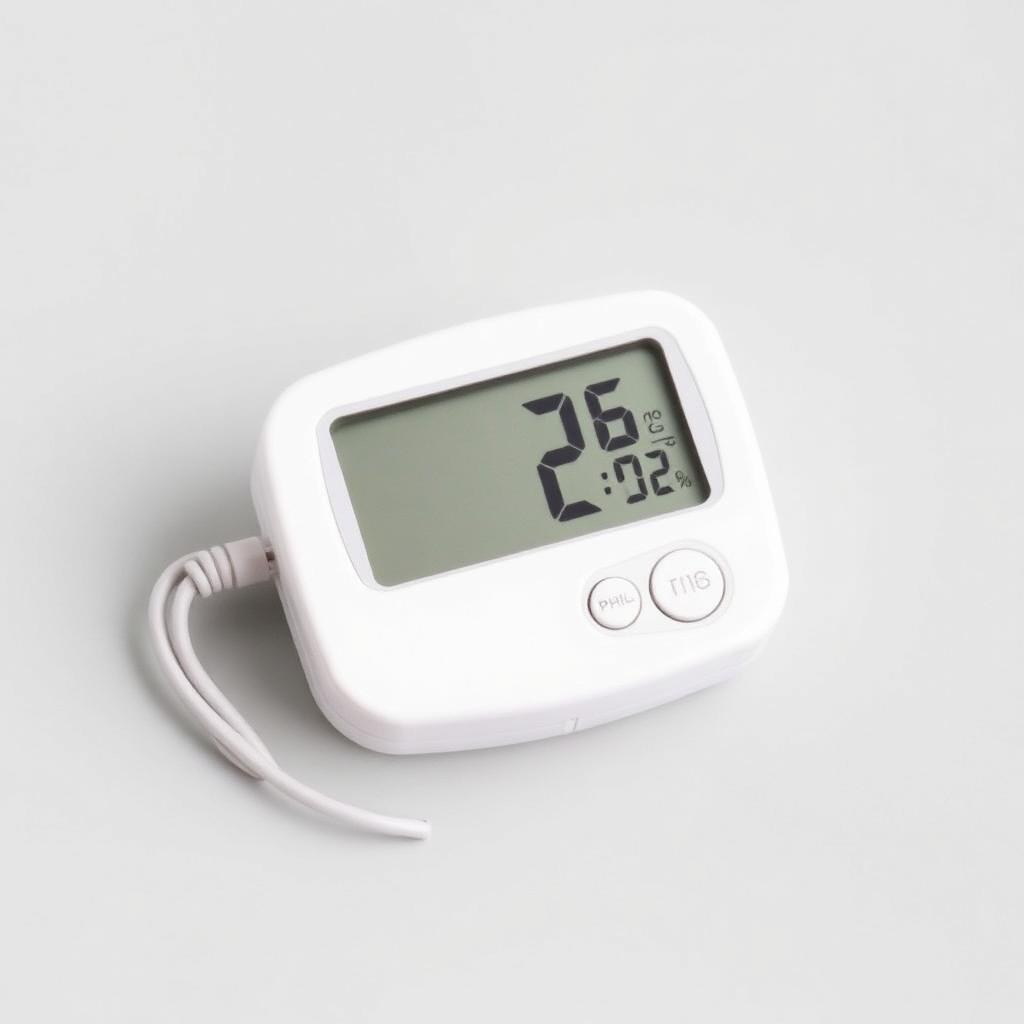
Beginner Digital Thermo-Hygrometer with Probe
A simple, low-cost LCD thermo-hygrometer with min/max memory and a wired probe — the easiest way to confirm your tent is in the right temp and humidity range.
👉 Check Today's Price$25 – $60
Best for
Growers who want a larger, more accurate display or a second sensor for a second zone.
Core features
- Higher-accuracy sensor (±1°F / ±3% RH)
- Larger backlit screen readable through the viewing window
- Dual-zone or two-probe support
- Often includes dew-point readout
Advantages
- Easier to read without opening the tent
- Lets you compare canopy vs floor or veg vs flower side
- Stays accurate longer than bargain units
When the upgrade is worth it
Worth it the moment you run two plants on opposite sides of the tent or add a second tent.
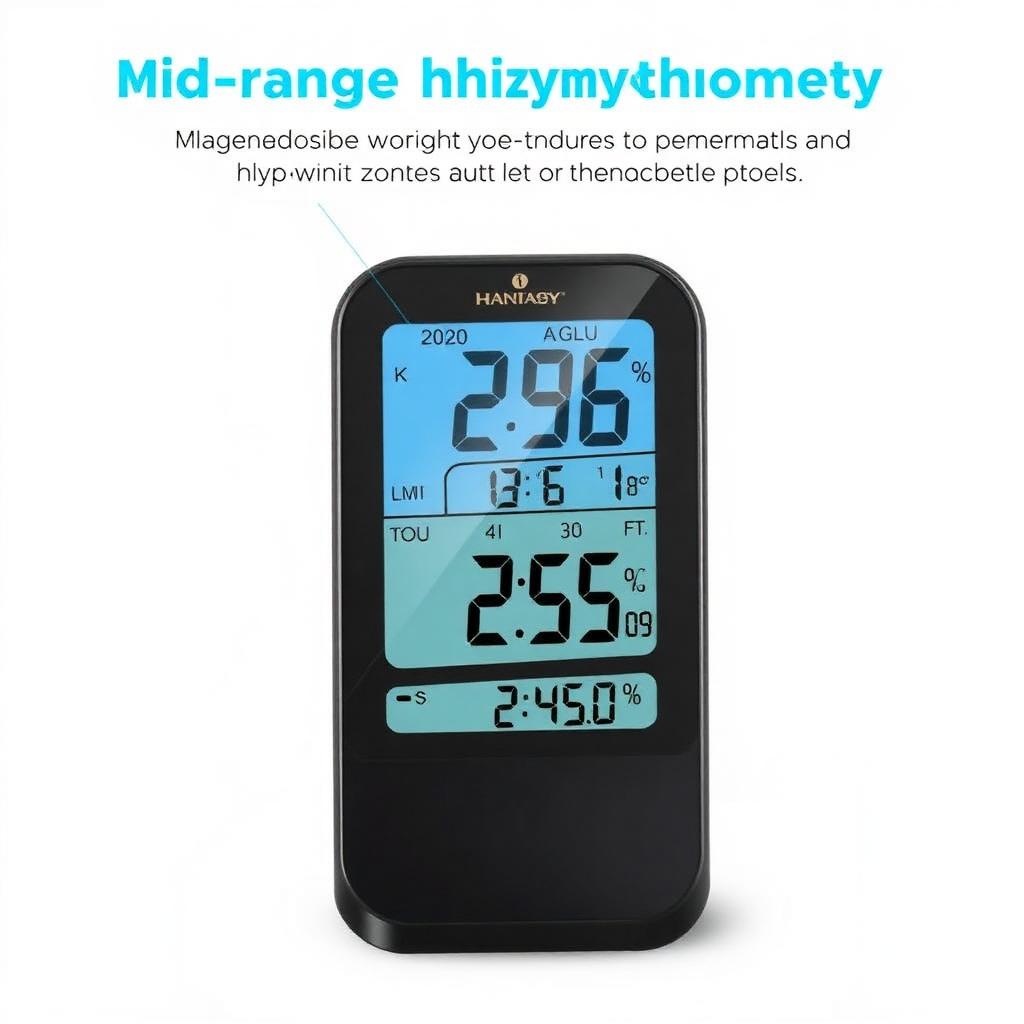
Intermediate Dual-Probe Thermo-Hygrometer with Backlit Display
Larger backlit screen and tighter accuracy with dual-zone probes, so you can compare canopy vs floor or run two tents without buying a second meter.
👉 Check Today's Price$60 – $120
Best for
Anyone who wants long-term data without stepping up to a full climate monitor.
Core features
- Lab-grade sensor accuracy
- Onboard data logging (days or weeks)
- USB or app sync
- Multiple probes from one base
Advantages
- See trends, not just snapshots
- Catch slow drift that single readings miss
- Diagnose past problems from logged history
When the upgrade is worth it
Choose this when you've outgrown a basic hygrometer but aren't ready to commit to a full climate monitor.
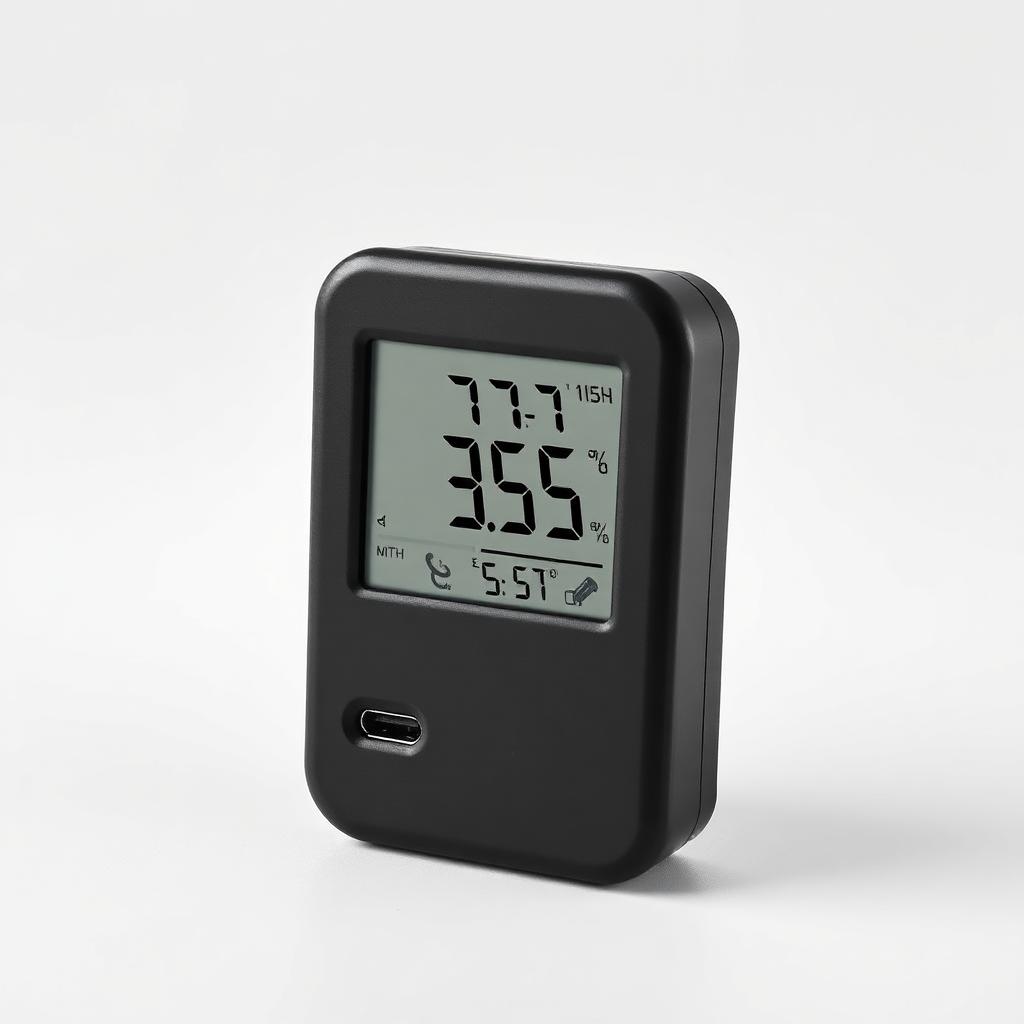
Premium Data-Logging Thermo-Hygrometer
Lab-grade accuracy with onboard data logging and app sync — see real trends across days and weeks instead of just point-in-time readings.
👉 Check Today's PriceWireless temperature monitors
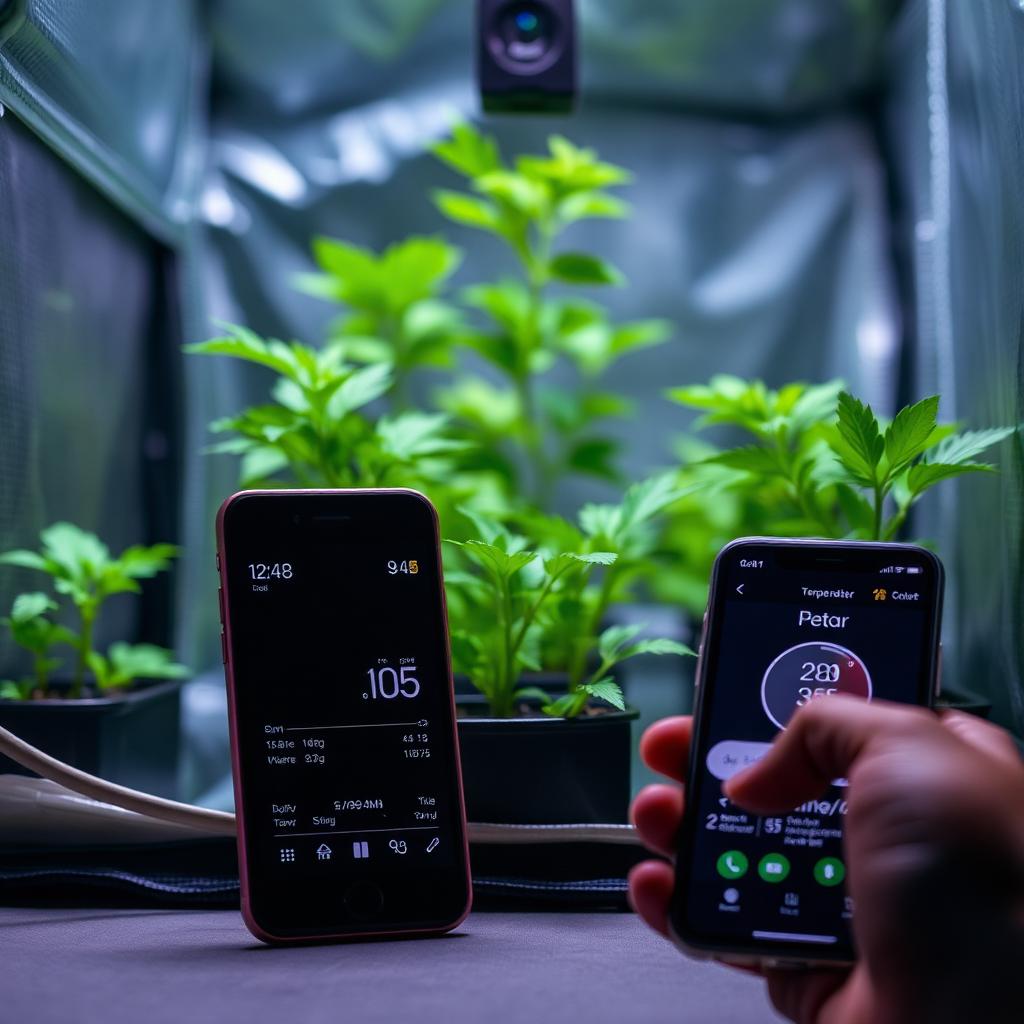
Wireless grow room monitors send readings over Wi-Fi or Bluetooth to your phone. You get the same data as a basic hygrometer plus history, graphs and push alerts when something goes wrong.
What it does
A battery-powered sensor inside the tent transmits temperature (and usually humidity) to a smartphone app or a small hub.
Why growers use it
You can check the tent from work, from bed, or from another country. The first time the app pings you that humidity spiked to 75% at 3am, the device pays for itself.
Key features to look for
- Wi-Fi or Bluetooth + hub option
- Push notifications for high/low thresholds
- Cloud history (weeks or months)
- Battery life of 6-12 months on AAAs
- Export to CSV for serious growers
Advantages
- Real-time alerts when away from the tent
- Historical graphs reveal patterns a glance can't
- Multiple sensors can roll up to one dashboard
Limitations
- Depends on Wi-Fi and the manufacturer's cloud staying online
- More expensive than a basic hygrometer
- Battery sensors eventually need new cells
Best use cases
Which Option Is Right for You?
$20 – $50
Best for
Solo growers with one tent who want phone access without leaving the room.
Core features
- Bluetooth-only sensor
- Single-device pairing
- Basic temp + RH on the phone app
- Couple of weeks of local history
Advantages
- Quick setup, no hub needed
- Battery lasts months on AAAs
- No subscription
Limitations
- Only works in range of the phone (~30 ft)
- No alerts when you're at work
When the upgrade is worth it
Perfect first step into wireless monitoring without paying for cloud features you may not use.
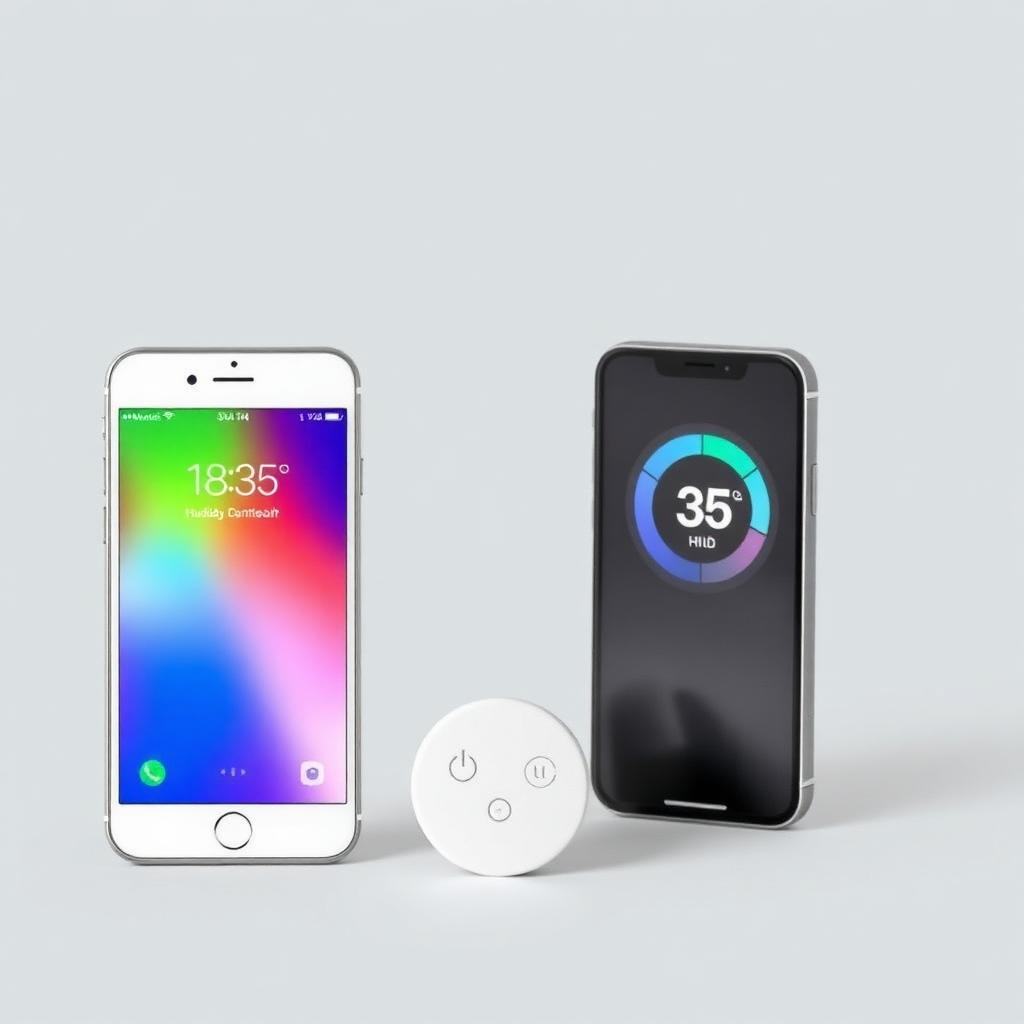
Beginner Bluetooth Wireless Temperature & Humidity Sensor
Pocket-sized Bluetooth sensor that streams temp and RH to your phone with a couple weeks of local history — no hub, no subscription.
👉 Check Today's Price$50 – $120
Best for
Growers who want to check on the tent from anywhere.
Core features
- Wi-Fi sensor or Bluetooth + bridge
- Cloud history (weeks to months)
- Push notifications for high/low thresholds
- Multi-sensor dashboard
Advantages
- Real away-from-home monitoring
- Alerts before a problem becomes damage
- Compare sensors across tents in one app
When the upgrade is worth it
Worth the upgrade once you've ever come home to a heat-stressed plant — once is enough.
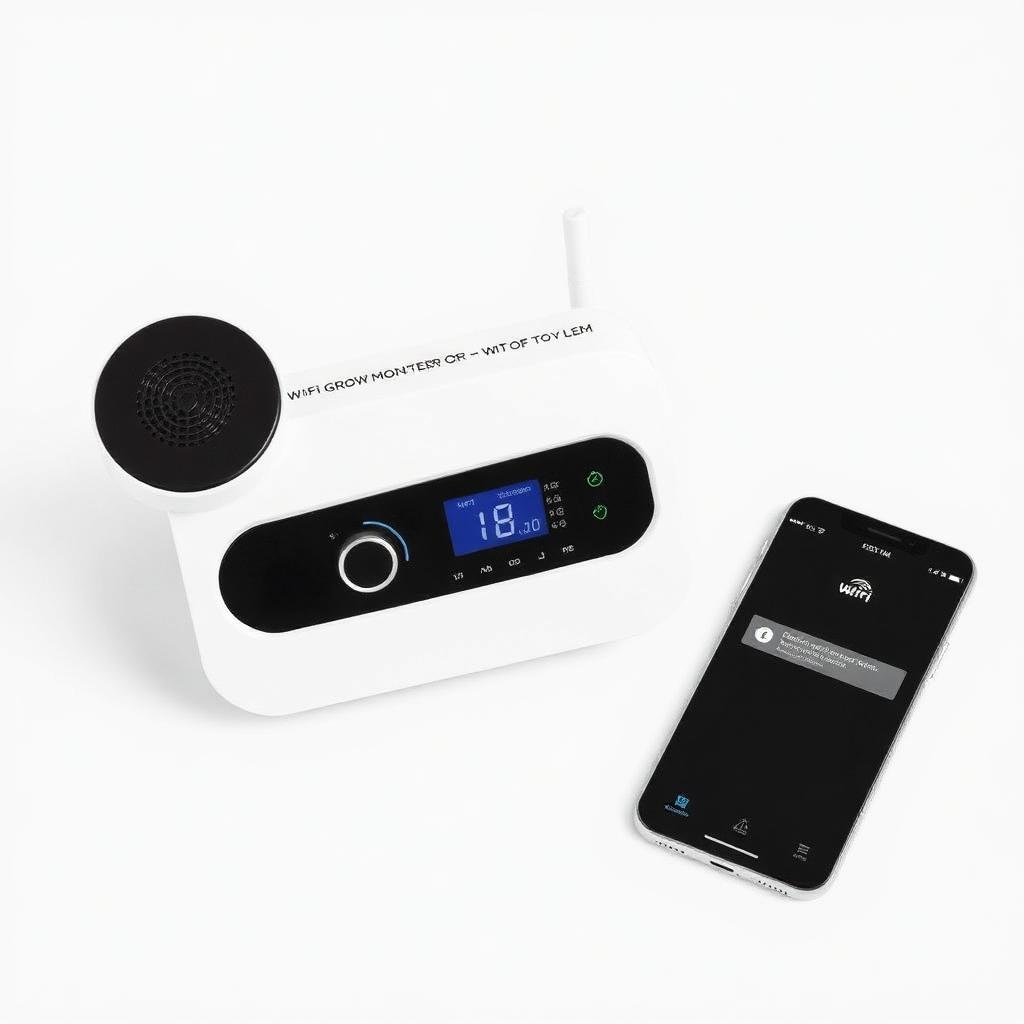
Intermediate Wi-Fi Grow Room Monitor with Alerts
Wi-Fi enabled monitor with cloud history and high/low push notifications so you know about a spike before it stresses the plants.
👉 Check Today's Price$120 – $300
Best for
Multi-tent growers and anyone who wants integration with controllers and automation.
Core features
- Wi-Fi + Matter / smart-home support
- CSV export and graphing tools
- Integration with smart plugs, dehumidifiers and inline fans
- Battery + USB power options
Advantages
- Sensors become triggers, not just readouts
- Long-term data you can actually analyze
- Scales to four or more tents on one dashboard
When the upgrade is worth it
Step up when you stop wanting alerts and start wanting the tent to fix itself.
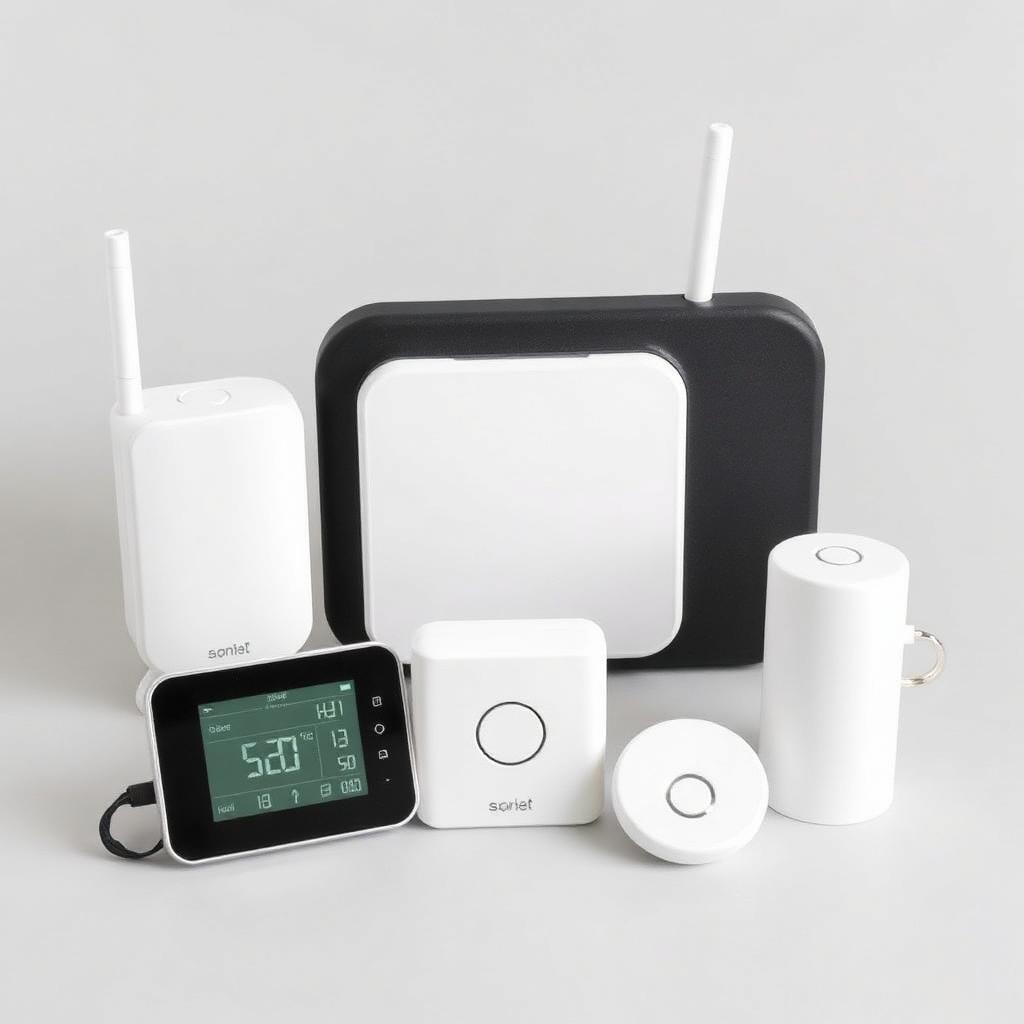
Premium Multi-Sensor Wireless Climate System
Multi-sensor system with smart-home integration and CSV export — sensors become triggers for fans and dehumidifiers, not just readouts.
👉 Check Today's PriceHumidity monitors
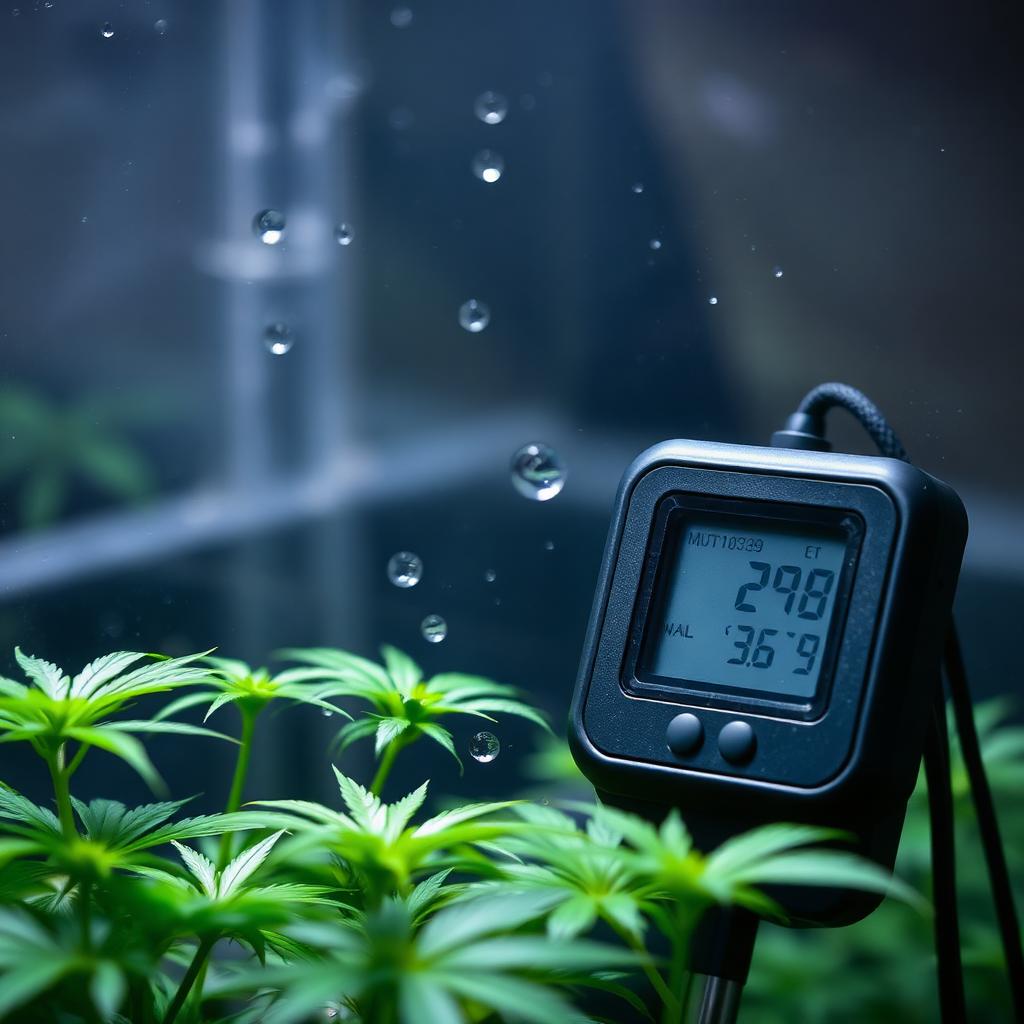
Dedicated humidity monitors focus on relative humidity (RH) with higher accuracy than a combined unit. They're popular with growers running humidifiers, dehumidifiers or sealed rooms.
What it does
Measures relative humidity, dew point and sometimes absolute humidity, often with logging and high/low alarms.
Why growers use it
Cannabis needs different RH at each stage — roughly 65-70% for seedlings, 50-60% in veg, 40-50% in early flower and 40% or lower in late flower. Mis-managed humidity is the leading cause of bud rot, powdery mildew and stretchy seedlings.
Key features to look for
- ±2% RH or better accuracy
- Adjustable high/low alarm thresholds
- Audible alert (not just visual)
- Stable readings during the lights-off temperature drop
- Easy hanging or velcro mount near canopy
Advantages
- Catches the slow RH creep that ruins flower runs
- Useful in any stage, especially the seedling and late-flower extremes
- Pairs naturally with a humidifier or dehumidifier
Limitations
- Doesn't replace a temperature reading
- Cheap units drift fast in a humid tent
Best use cases
Which Option Is Right for You?
$15 – $30
Best for
Growers fighting basic humidity issues in one tent.
Core features
- RH-focused digital sensor
- Visual high/low indicator
- Simple wall or hanging mount
Advantages
- Cheap and easy to add as a second opinion
- Faster RH response than combo units
- Great for drying tents
Limitations
- No alerts
- No data history
When the upgrade is worth it
A solid first step when mold or mildew has shown up once and you don't want a repeat.
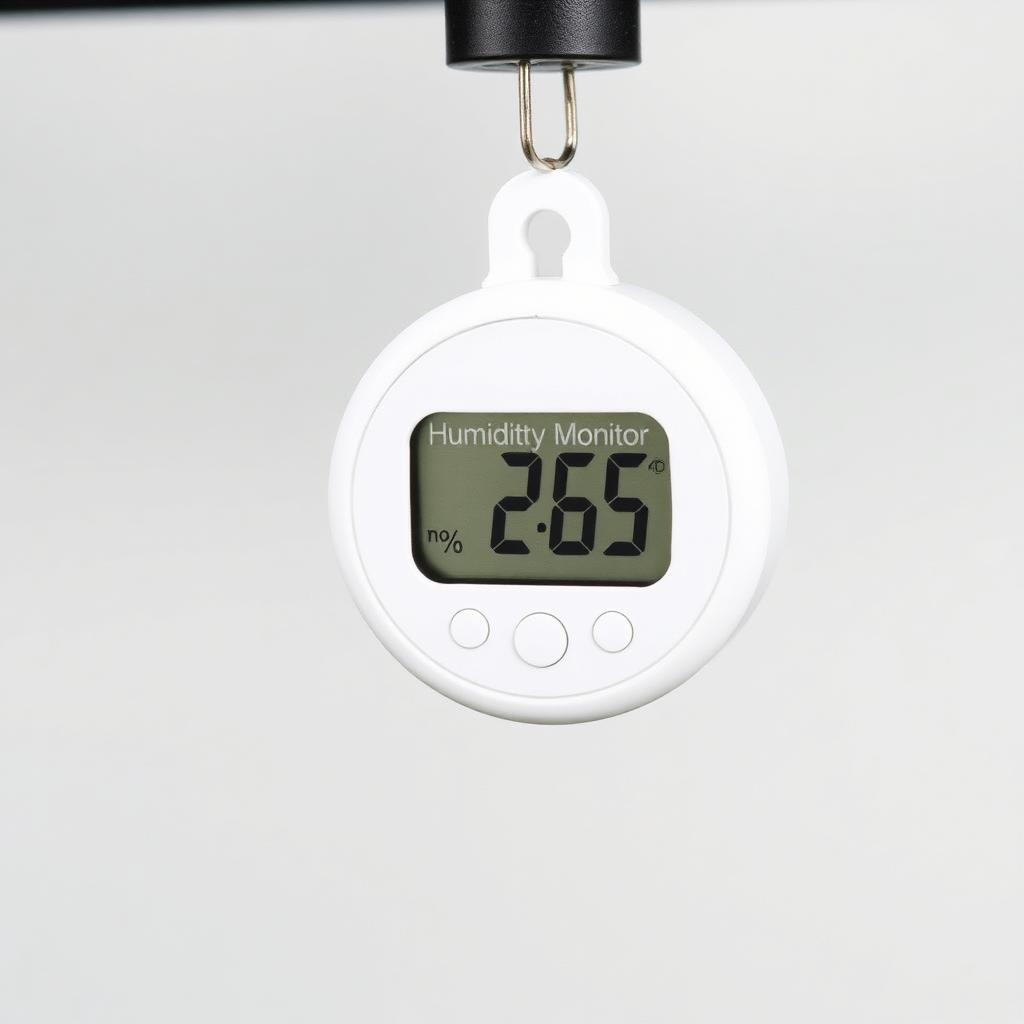
Beginner Digital Humidity Monitor
Focused RH meter that responds faster than combo units — a cheap second opinion when mold or mildew has shown up once already.
👉 Check Today's Price$30 – $80
Best for
Flowering rooms and anyone running a humidifier or dehumidifier.
Core features
- ±2% RH accuracy
- Audible + adjustable high/low alarms
- Dew-point readout
- Stable through lights-off temperature drops
Advantages
- Catches the slow RH creep that ruins late flower
- Pairs cleanly with a humidifier/dehumidifier on a smart plug
- Reliable readings around the clock
When the upgrade is worth it
The right call once you're flowering serious plants and bud rot isn't an acceptable risk.
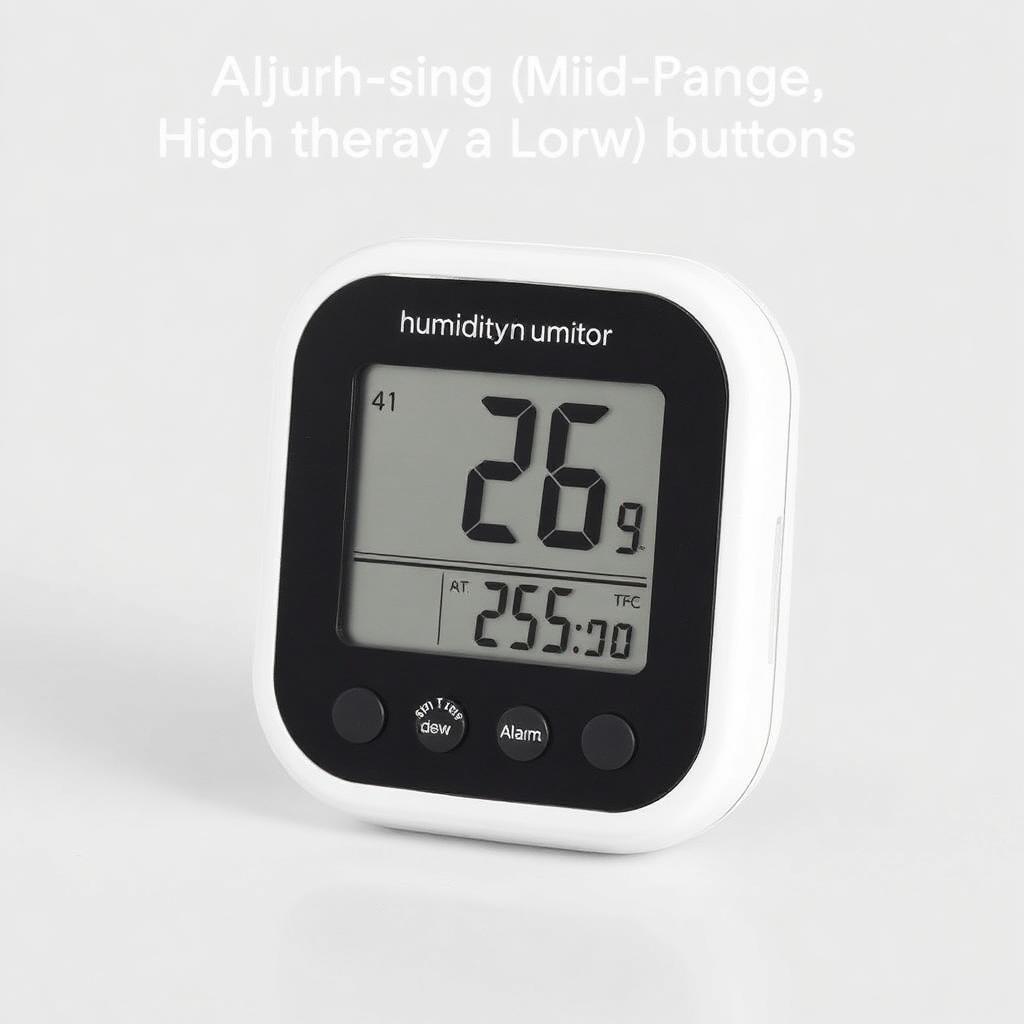
Intermediate Humidity Monitor with High/Low Alarm
Tighter ±2% RH accuracy with audible high/low alarms and a dew-point readout — catches the slow humidity creep that ruins late flower.
👉 Check Today's Price$80 – $200
Best for
Sealed rooms, perpetual grows and anyone optimizing for VPD.
Core features
- High-accuracy multi-zone sensors
- VPD calculation
- Cloud logging and alerts
- Integration with climate controllers
Advantages
- VPD-driven humidity targets, not guesses
- Long-term graphs reveal HVAC weaknesses
- Talks to the rest of your automation stack
When the upgrade is worth it
Worth it when you're chasing top-tier yields and humidity is your remaining bottleneck.
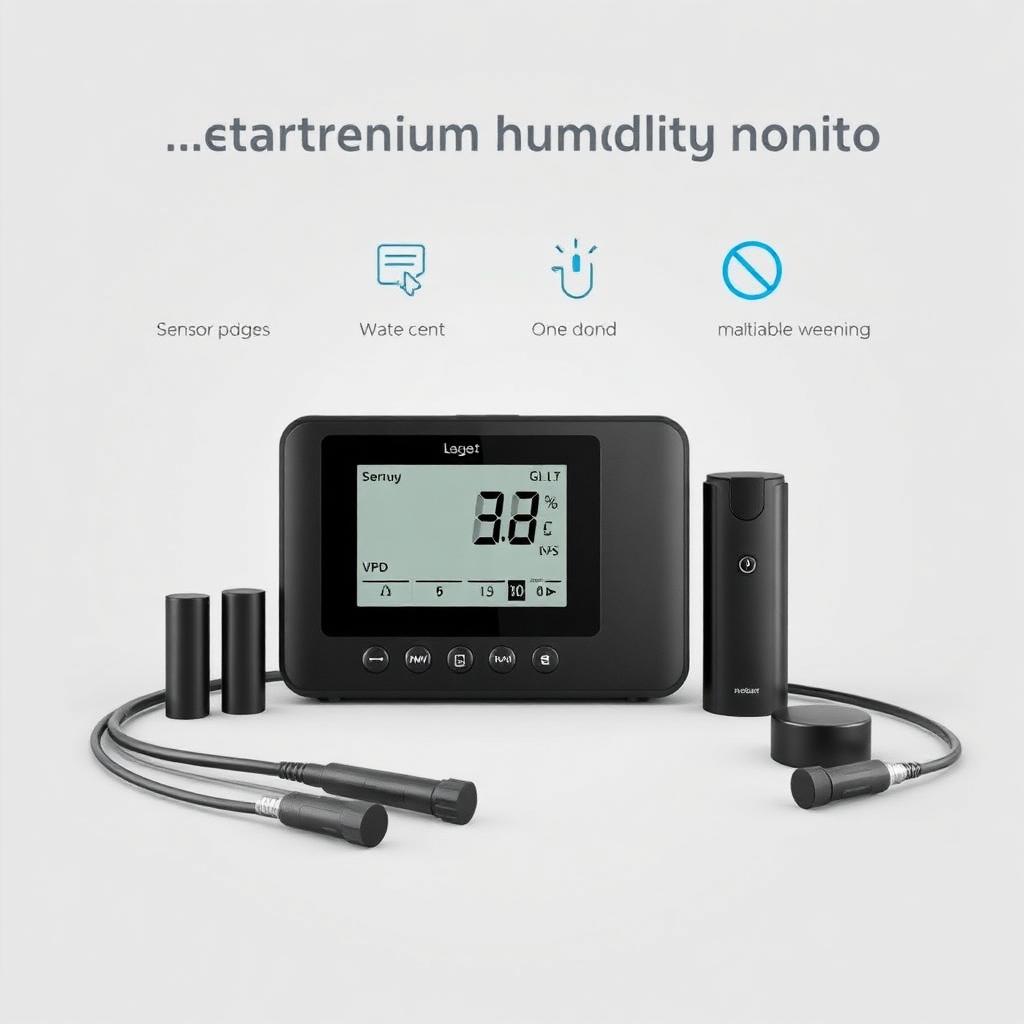
Premium Multi-Zone Humidity Monitor with VPD
High-accuracy multi-zone humidity tracking with VPD calculation and cloud logging — humidity targets driven by data, not guesses.
👉 Check Today's PriceIndoor climate monitors
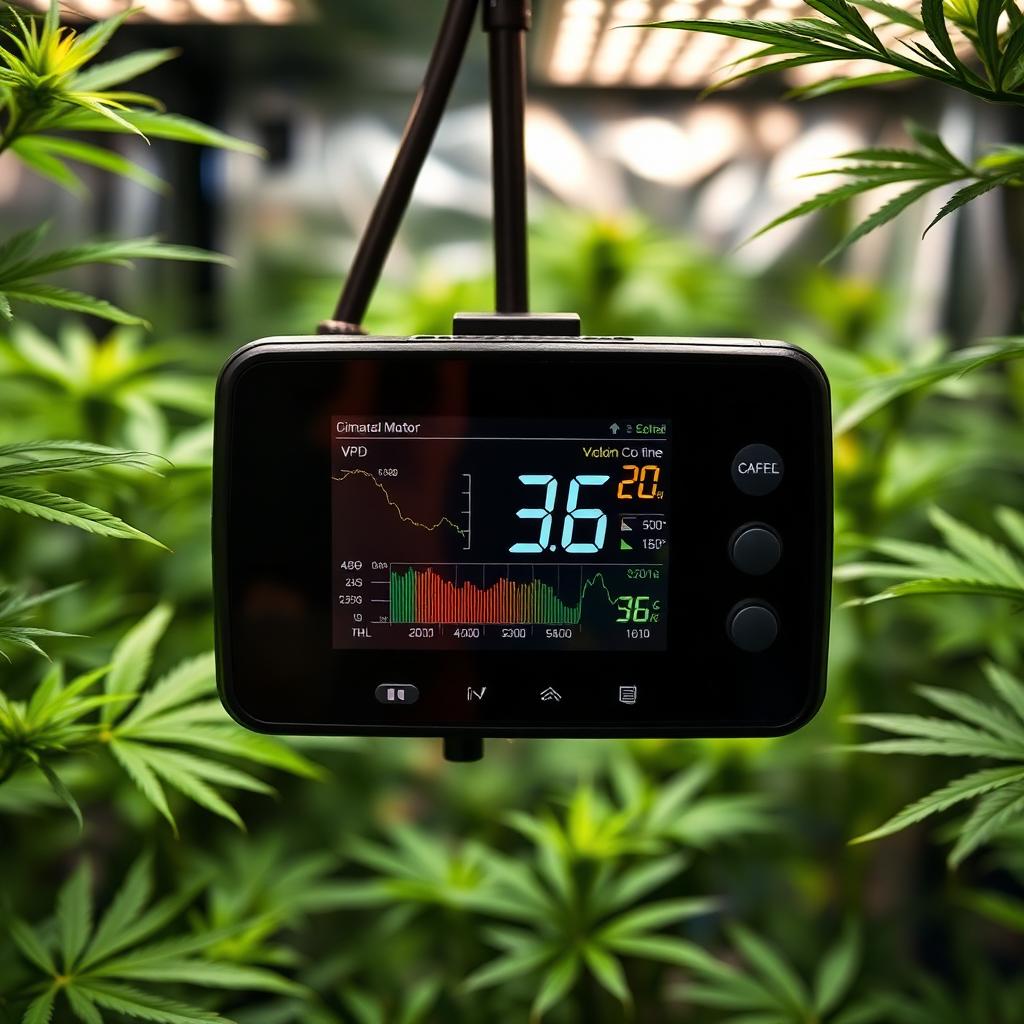
All-in-one climate monitors track temperature, humidity, VPD and often CO2, dew point and barometric pressure on one screen. They're the dashboard for a serious grow.
What it does
Combines multiple sensors into one device with a large color display and, usually, cloud connectivity.
Why growers use it
At a glance you see VPD (vapor pressure deficit) — the single best indicator of whether your plants can transpire properly. Once you grow with VPD in front of you, it's hard to go back.
Key features to look for
- Temperature, RH, VPD, dew point
- Optional CO2 or light intensity probes
- Color screen with trend graphs
- Wi-Fi sync to phone and computer
- Multi-zone support for rooms with several tents
Advantages
- Everything in one place — fewer devices in the tent
- VPD readout removes the math from environment tuning
- Long history for diagnosing past problems
Limitations
- Higher upfront cost ($150-$400)
- Most still need a separate pH/EC meter for water
Best use cases
Which Option Is Right for You?
$40 – $100
Best for
Hobby growers who want one device instead of two or three.
Core features
- Temp, RH and dew point on one display
- Min/max memory
- Wall or hanging mount
- Often includes a basic alarm
Advantages
- Less clutter in the tent
- One device to read, one battery to replace
- Cleaner than stacking separate meters
Limitations
- No VPD or CO2
- No app integration
When the upgrade is worth it
Choose this when you'd rather upgrade one device than maintain two.
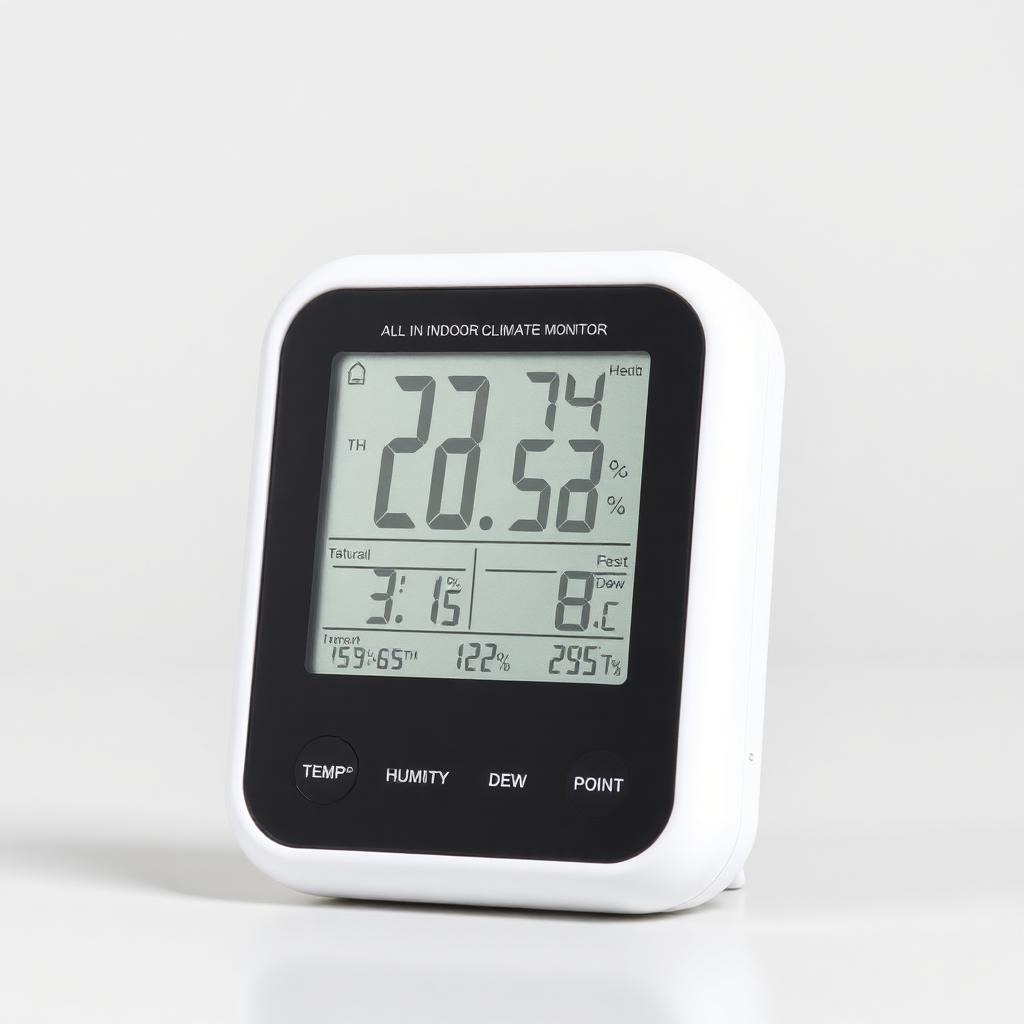
Beginner All-in-One Climate Monitor
One device covering temp, RH and dew point with min/max memory — less clutter than stacking separate meters in the tent.
👉 Check Today's Price$100 – $250
Best for
Serious hobbyists running a 4x4 or perpetual grow.
Core features
- Temp, RH, dew point + VPD
- Color screen with mini trend graphs
- Wi-Fi sync to phone
- Threshold alerts
Advantages
- VPD on the display removes the math from environment tuning
- See a few weeks of history without a separate logger
- Replaces three separate tools with one
When the upgrade is worth it
The sweet spot for most home growers — pays for itself the first time it flags a problem early.
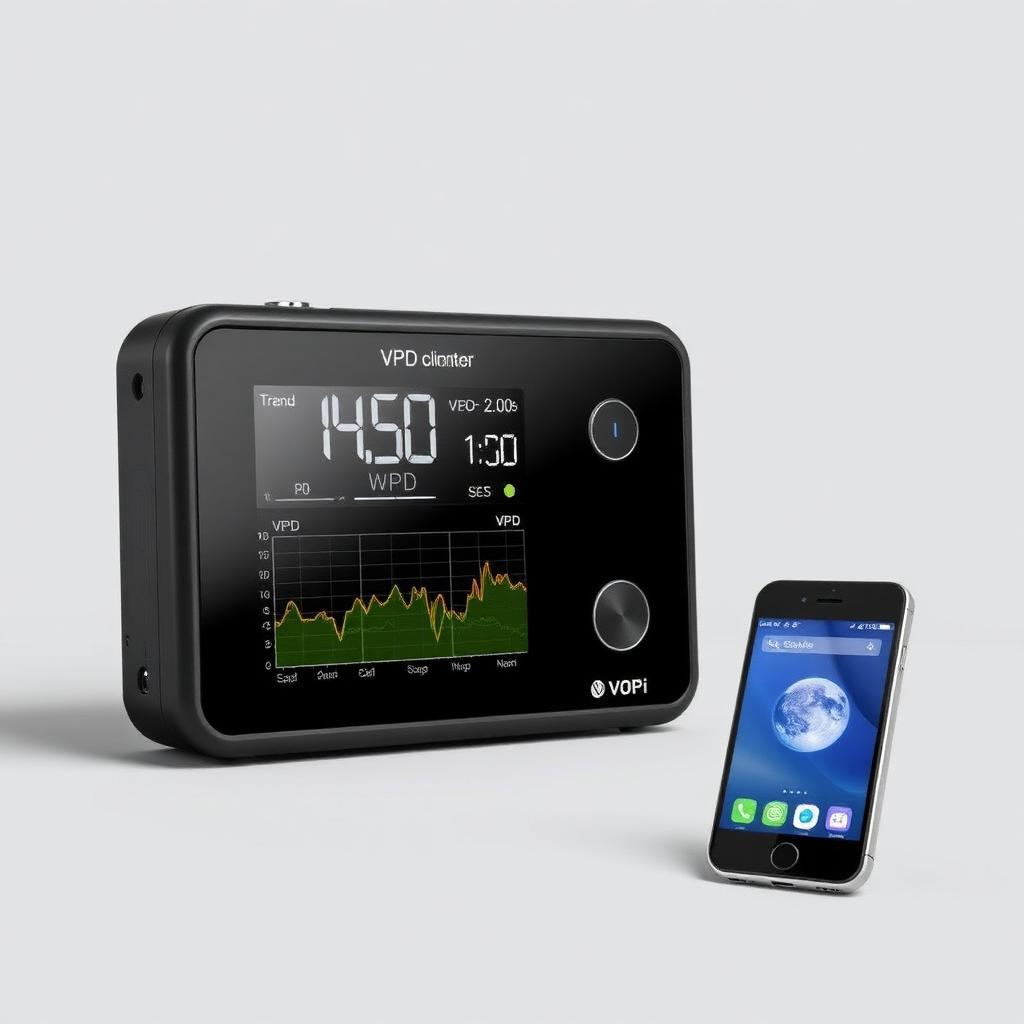
Intermediate VPD Climate Monitor with Wi-Fi
Color screen with VPD on display, mini trend graphs and Wi-Fi alerts — the sweet spot for serious hobby growers running a 4x4 or perpetual setup.
👉 Check Today's Price$250 – $600
Best for
Multi-tent operators, sealed-room growers, CO2 supplementers.
Core features
- Temp, RH, VPD, CO2, light intensity, barometric pressure
- Multi-zone support across rooms
- Long-term cloud history and export
- Integration with controllers and exhaust fans
Advantages
- Single source of truth for every environment variable
- Catches HVAC, CO2 and light drift before yields drop
- Plays nicely with smart controllers and inline fans
When the upgrade is worth it
The right step once monitoring is no longer the bottleneck — and acting on the data is.
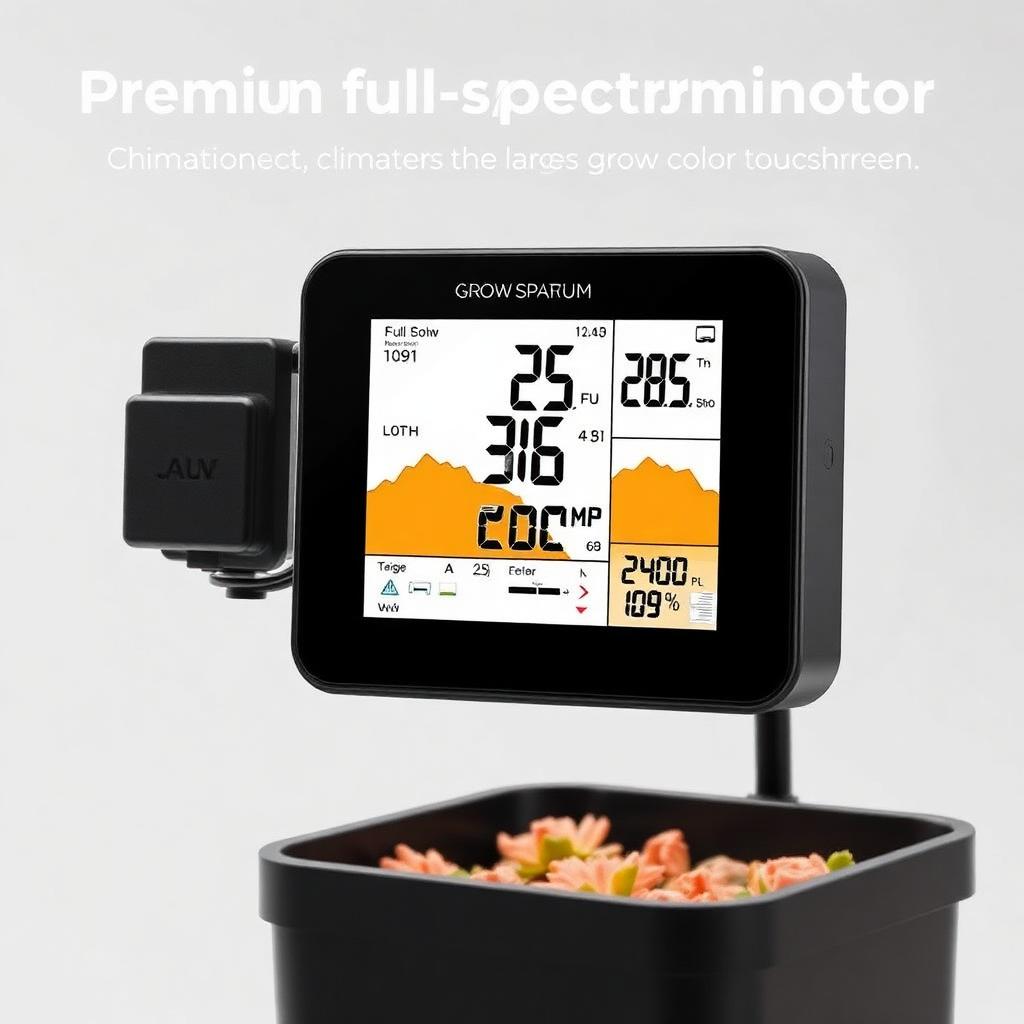
Premium Full-Spectrum Climate Monitor with CO₂
Tracks temp, RH, VPD, CO₂ and light intensity across multiple zones with long-term cloud history — single source of truth for sealed-room and CO₂ grows.
👉 Check Today's PriceSmart room sensors
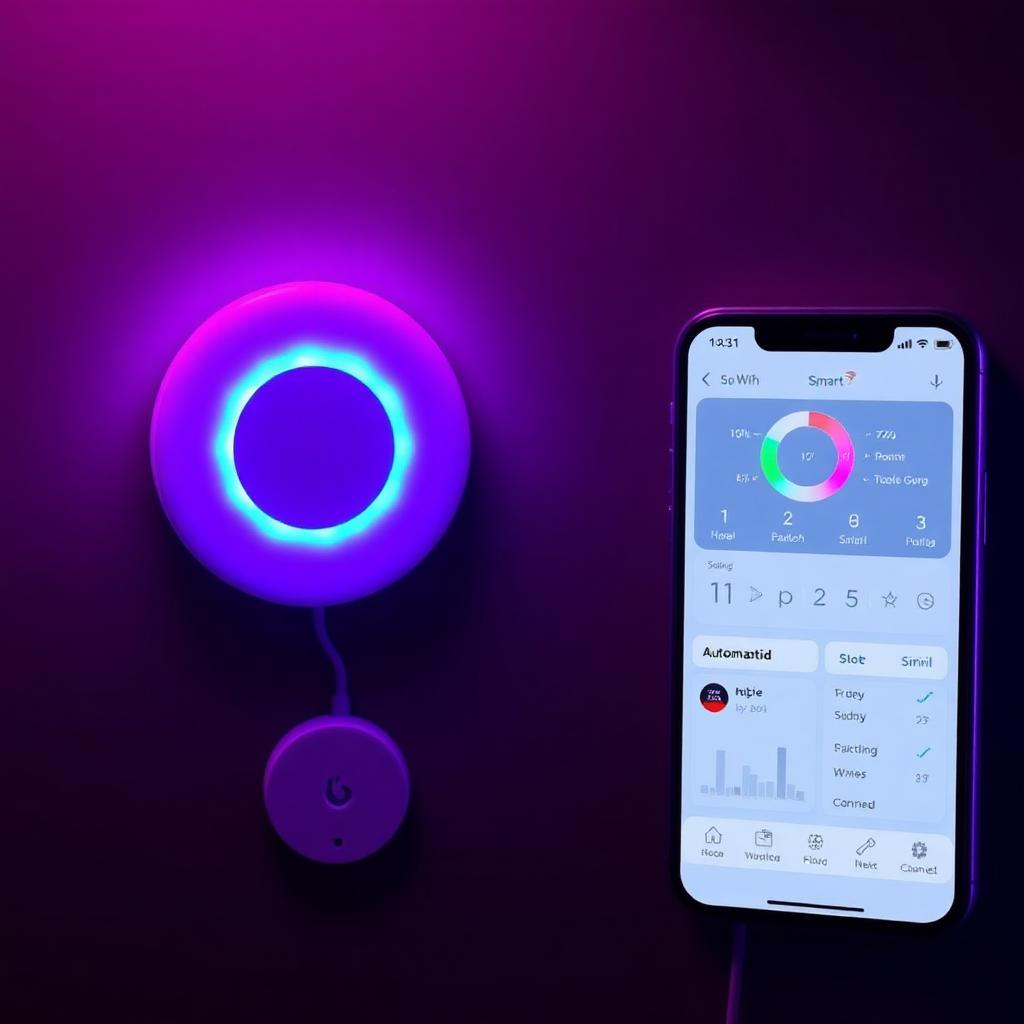
Smart room sensors plug into the wider smart-home ecosystem. They talk to mobile apps, smart plugs, controllers and even voice assistants — the foundation for an automated grow tent.
What it does
Wi-Fi sensors that publish readings to an app or hub, where rules can trigger fans, humidifiers, lights and alerts automatically.
Why growers use it
A smart grow tent monitor turns 'I should check the tent' into 'the tent already handled it.' Pair a sensor with a smart plug and your dehumidifier kicks on the moment RH crosses your threshold.
Key features to look for
- Open API or major ecosystem support (Apple Home, Google Home, Matter)
- Rules engine for if/then automation
- Pairs with smart plugs, controllers and AC Infinity-style fans
- Local fallback if cloud goes down
- Multiple sensors per dashboard
Advantages
- Real automation, not just monitoring
- Reduces hands-on tent visits
- Scales as you add more tents or rooms
Limitations
- Setup is more involved than a basic hygrometer
- Locked-in ecosystems can be hard to leave
- Wi-Fi outages can pause automations
Best use cases
Which Option Is Right for You?
$25 – $60
Best for
Growers who already use a smart-home ecosystem and want their tent inside it.
Core features
- Wi-Fi or Matter sensor
- Phone app with current readings
- Basic high/low push notifications
Advantages
- Quick setup with an existing hub
- Cheap entry into automation
- Works with smart plugs out of the box
Limitations
- Limited automation rules
- Depends on cloud uptime
When the upgrade is worth it
A good first step if you already trust an ecosystem like Apple Home, Google Home or SmartThings.
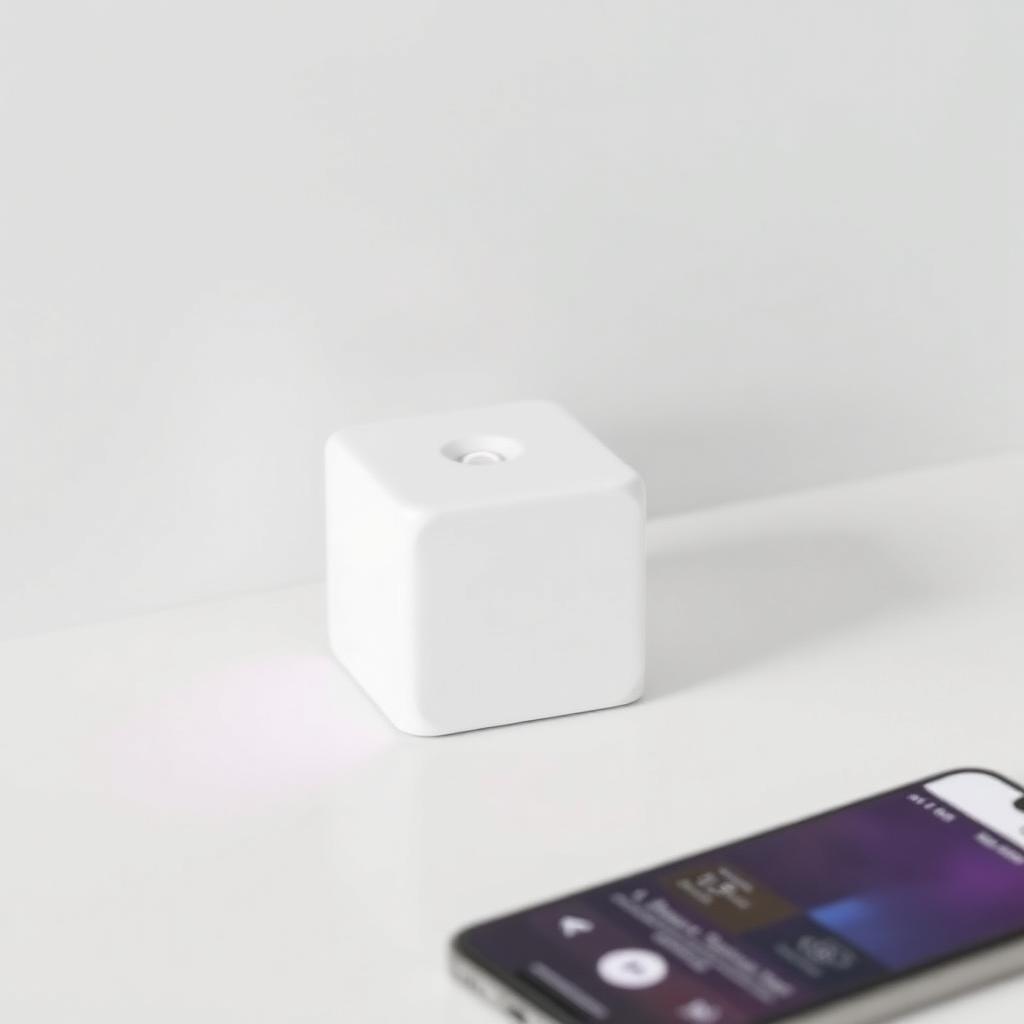
Beginner Smart Wi-Fi Room Sensor
Easy Wi-Fi sensor that drops into an existing smart-home ecosystem with basic push alerts — a cheap on-ramp to tent automation.
👉 Check Today's Price$60 – $150
Best for
Growers ready to automate fans, dehumidifiers and humidifiers.
Core features
- If/then automation rules
- Multi-sensor dashboard
- Direct support for major smart plugs and controllers
- Local fallback when cloud is down
Advantages
- The tent starts fixing small problems on its own
- Fewer manual tent visits per day
- Sensor data drives real-world actions
When the upgrade is worth it
Worth the upgrade once you're tired of opening the tent every time RH ticks up two points.
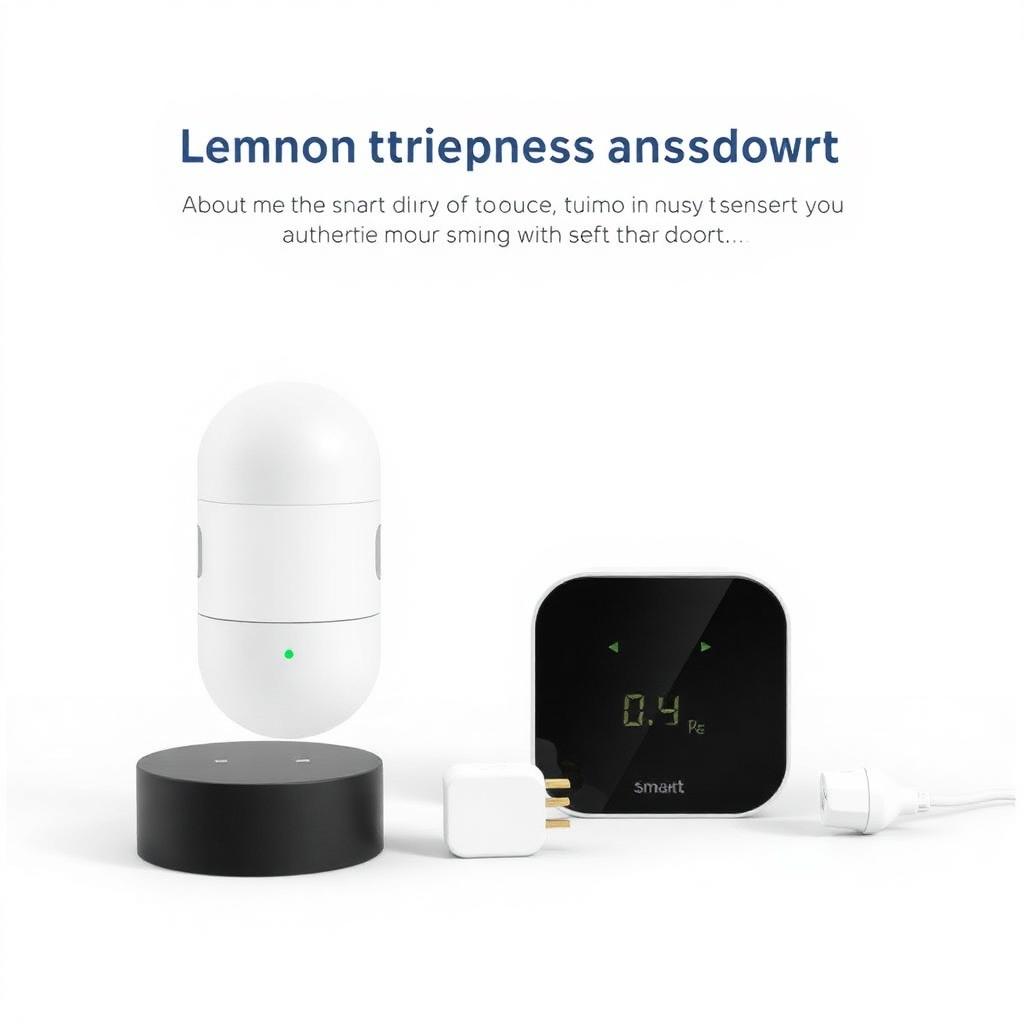
Intermediate Smart Sensor with Automation Rules
Supports if/then rules with smart plugs and controllers so fans, dehumidifiers and humidifiers react automatically — fewer manual tent visits per day.
👉 Check Today's Price$150 – $400
Best for
Multi-tent grows, advanced automation builds and people who want pro-grade reliability.
Core features
- Open API / Home Assistant / Matter
- Per-zone sensors with per-zone automations
- Detailed cloud history + export
- Integration with inline fans, controllers and grow lights
Advantages
- Full automation across temp, RH, VPD and exhaust
- Resilient — local rules keep working without internet
- Future-proof as you add more rooms
When the upgrade is worth it
Choose this when the goal is to manage every tent from one phone without compromise.
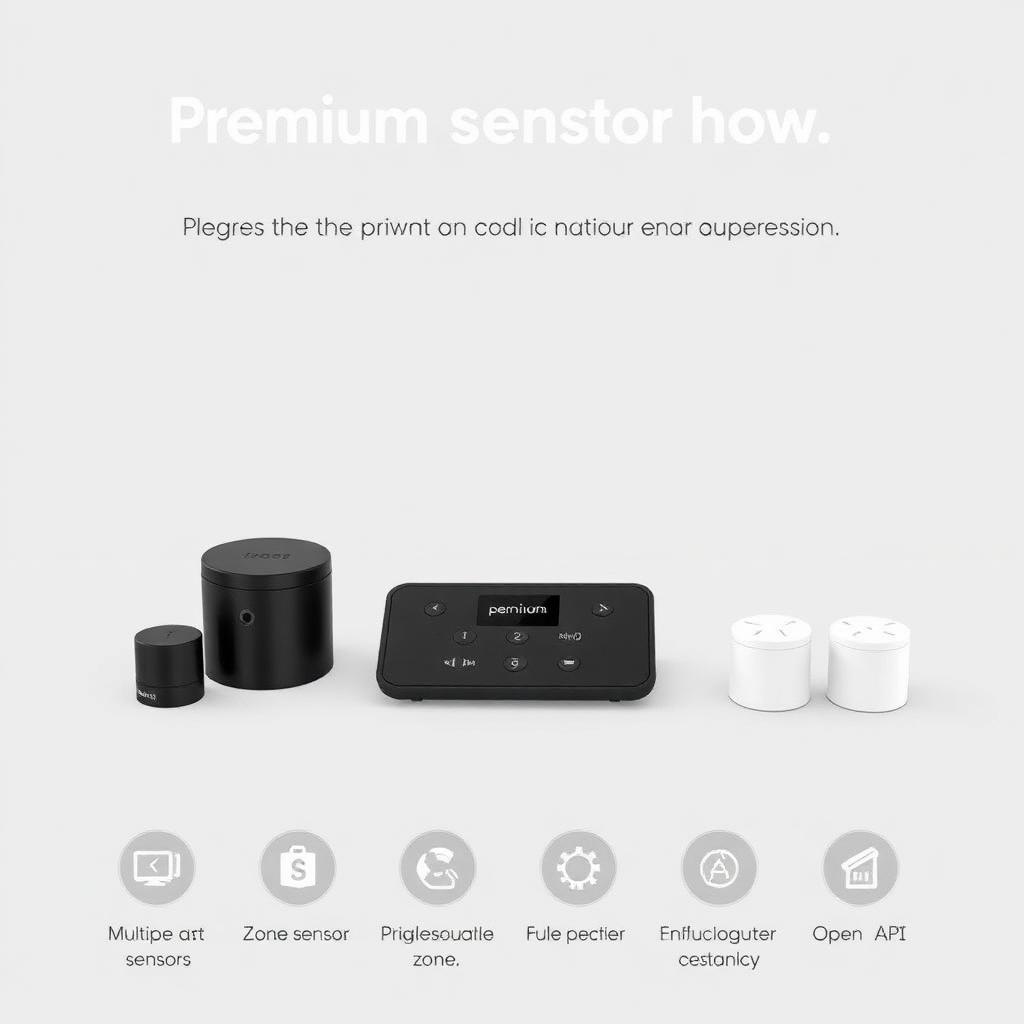
Premium Smart Sensor Hub with Open API
Open API and per-zone automations with local fallback — full temp, RH, VPD and exhaust automation that keeps working even if the cloud goes down.
👉 Check Today's PriceBudget, mid range or premium?
Here is what each level actually buys you.
Basic monitoring
$25 – $60
Digital thermo-hygrometer with min/max, basic pH drops or strips.
Best for
Beginner soil growers.
Mid-range monitoring
$80 – $200
Quality digital pH and EC pen, multi-zone hygrometer, Wi-Fi enabled.
Best for
Any serious grower.
Premium controller setup
$250 – $700
Inkbird or Pulse-style smart controller managing fans, dehumidifiers, lights and CO2 from a single app.
Best for
Multi-tent or perpetual grows.
Watch out for
Overkill for a single 2x2 with one plant.
How to choose a monitoring device
Once you've narrowed down the type of device, the buying decision usually comes down to seven practical factors. The right balance depends on your tent size, budget and how hands-on you want to be.
Accuracy
Look for ±1°F and ±3% RH or better. Cheap sensors drift fast — a wrong reading is worse than no reading at all.
Wireless vs wired
Wired units are cheap and reliable; wireless monitors give you alerts and history. Most growers eventually want both.
Data logging
Logged data shows trends a single glance misses. Look for at least 30 days of history and CSV export if you geek out on graphs.
Mobile app integration
A good app is the difference between a sensor you check and one you forget. Read recent app store reviews — not just the box.
Alert notifications
Push, email and audible alerts let you act before damage is done. Make sure thresholds are adjustable per sensor.
Battery life
Aim for 6 months minimum on battery sensors. USB-powered units skip the problem but need a free outlet in the tent.
Ease of installation
Hanging hook, magnetic back, velcro pad — small touches that matter when you're working inside a packed tent.
Future expansion
If you might add more tents or automation later, pick a sensor whose hub supports more devices and integrations.
Common mistakes
MistakeUsing analog hygrometers from a humidor.
FixCheap analog meters can drift 10-15% RH. Digital meters cost the same and stay accurate for years.
MistakeNever calibrating the pH meter.
FixpH meters drift weekly. Calibrate monthly with 4.0 and 7.0 buffer solutions or trust nothing it tells you.
MistakeIgnoring nighttime temperature.
FixLights-off temperature drops can cause condensation and mold. Track min/max — not just current readings.
MistakeMeasuring humidity in only one spot.
FixHumidity varies across a tent. Place sensors near the canopy and at the floor for a complete picture.
MistakeBuying expensive monitoring before fixing basics.
FixA $400 controller can't save a tent with no carbon filter or undersized fan. Get the basics right first.
The full guide
Thermo-hygrometers. The single most important tool. Cannabis wants 70-85°F lights-on, 60-75°F lights-off, and humidity that drops from 65-70% in early veg down to 40-50% in late flower. Without measurement, you have no idea where you are.
pH and EC pens. A digital pH pen (Apera, BlueLab, Hanna) costs $50-$100 and lasts years if you store the probe correctly. EC meters measure dissolved nutrients in water — critical for any feed schedule beyond plain soil watering.
Smart controllers. Devices like the AC Infinity Controller 67, Inkbird ITC-308 or Pulse Pro automate environmental control. They turn fans on when temperature rises, dehumidifiers on when humidity climbs and notify you of problems via app.
PAR / light meters. A handheld PAR meter measures usable light at the canopy in µmol/m²/s. Photoperiod cannabis wants roughly 400-600 PPFD in veg and 700-1000 PPFD in flower. Without measurement, you're guessing whether your light is too far or too close. Pair this with our LED vs HPS grow lights guide.
CO2 supplementation. Only worth it in sealed tents with strong light. Without CO2 monitoring, supplementation is dangerous (too high suffocates plants and you). With a good CO2 controller, supplementation can boost yield 15-25%.
New to indoor growing? Start with the beginner setup guides and the full home grow equipment hub.
Common Questions
What's the most important monitoring tool for beginners?
A digital thermo-hygrometer with min/max memory. It's $20 and tells you whether your environment is even in the survival range for cannabis.
Do I need a pH meter for soil grows?
Yes, but pH drops or strips ($5-10) work for basic soil. Hydroponics needs a digital pen because precise pH matters more and changes faster.
Are smart grow controllers worth it?
If you'd otherwise be running multiple fans, a dehumidifier and lights on separate timers — yes. A single controller doing the same job is more reliable and cheaper than buying everything separately.
How do I calibrate a pH meter?
Buy pH 4.0 and pH 7.0 calibration solutions. Dip the probe in each, push the calibration button, rinse and store probe wet in storage solution. Recalibrate monthly.
Should I monitor CO2?
Only if you're actively supplementing. Without supplementation, ambient CO2 is 400-500 ppm and not worth tracking. With supplementation, monitoring becomes safety-critical.
What is the best grow room thermometer for a small tent?
For a 2x2 or 2x4 tent, a basic digital grow tent thermometer with min/max memory and a remote probe is plenty. Look for ±1°F accuracy and a backlight so you can read it through the viewing window without opening the tent.
What does a grow tent hygrometer actually measure?
A grow tent hygrometer measures relative humidity — the percentage of moisture in the air compared to what it could hold at the current temperature. Combined with temperature, it's what you use to track VPD and dial in healthy transpiration.
Is a wireless grow room monitor better than a wired one?
Wireless monitors let you check temperature and humidity from your phone without opening the tent and disturbing the environment. They're better for anyone who can't be on-site all day; wired units are cheaper and never lose connection.
How accurate are smart grow tent monitors?
Quality smart grow tent monitors from brands like AC Infinity, Pulse and Inkbird are typically accurate to ±0.5°F and ±3% RH out of the box. Cheap no-name sensors can drift 5-10% within months.
Where should I place an indoor grow room sensor?
Place the indoor grow room sensor at canopy height, away from direct airflow from fans and at least 6 inches from the tent wall. That gives you the reading the plants actually experience, not a hot spot near a light or a cold spot near an intake.
Do I need separate temperature and humidity monitors?
No. A temperature and humidity monitor for grow tent use is almost always a combined unit. Separate devices only make sense if you want redundant readings in different zones of a larger room.
What is a grow room environmental monitor with data logging?
A grow room environmental monitor with data logging records temperature, humidity and sometimes VPD over time, so you can review trends and catch problems that only happen overnight or during lights-off.
Will a smart sensor work without Wi-Fi?
Most smart room sensors need Wi-Fi for app access and alerts, but they keep recording locally and display readings on the device itself even when offline.
Frequently asked
What's the most important monitoring tool for beginners?
A digital thermo-hygrometer with min/max memory. It's $20 and tells you whether your environment is even in the survival range for cannabis.
Do I need a pH meter for soil grows?
Yes, but pH drops or strips ($5-10) work for basic soil. Hydroponics needs a digital pen because precise pH matters more and changes faster.
Are smart grow controllers worth it?
If you'd otherwise be running multiple fans, a dehumidifier and lights on separate timers — yes. A single controller doing the same job is more reliable and cheaper than buying everything separately.
How do I calibrate a pH meter?
Buy pH 4.0 and pH 7.0 calibration solutions. Dip the probe in each, push the calibration button, rinse and store probe wet in storage solution. Recalibrate monthly.
Should I monitor CO2?
Only if you're actively supplementing. Without supplementation, ambient CO2 is 400-500 ppm and not worth tracking. With supplementation, monitoring becomes safety-critical.
What is the best grow room thermometer for a small tent?
For a 2x2 or 2x4 tent, a basic digital grow tent thermometer with min/max memory and a remote probe is plenty. Look for ±1°F accuracy and a backlight so you can read it through the viewing window without opening the tent.
What does a grow tent hygrometer actually measure?
A grow tent hygrometer measures relative humidity — the percentage of moisture in the air compared to what it could hold at the current temperature. Combined with temperature, it's what you use to track VPD and dial in healthy transpiration.
Is a wireless grow room monitor better than a wired one?
Wireless monitors let you check temperature and humidity from your phone without opening the tent and disturbing the environment. They're better for anyone who can't be on-site all day; wired units are cheaper and never lose connection.
How accurate are smart grow tent monitors?
Quality smart grow tent monitors from brands like AC Infinity, Pulse and Inkbird are typically accurate to ±0.5°F and ±3% RH out of the box. Cheap no-name sensors can drift 5-10% within months.
Where should I place an indoor grow room sensor?
Place the indoor grow room sensor at canopy height, away from direct airflow from fans and at least 6 inches from the tent wall. That gives you the reading the plants actually experience, not a hot spot near a light or a cold spot near an intake.
Do I need separate temperature and humidity monitors?
No. A temperature and humidity monitor for grow tent use is almost always a combined unit. Separate devices only make sense if you want redundant readings in different zones of a larger room.
What is a grow room environmental monitor with data logging?
A grow room environmental monitor with data logging records temperature, humidity and sometimes VPD over time, so you can review trends and catch problems that only happen overnight or during lights-off.
Will a smart sensor work without Wi-Fi?
Most smart room sensors need Wi-Fi for app access and alerts, but they keep recording locally and display readings on the device itself even when offline.
Newsletter
Get the weekly Chill drop
Travel guides, dispensary picks, deals, and the funniest weed memes on the internet — straight to your inbox.
Subscribe free