Mature regulation
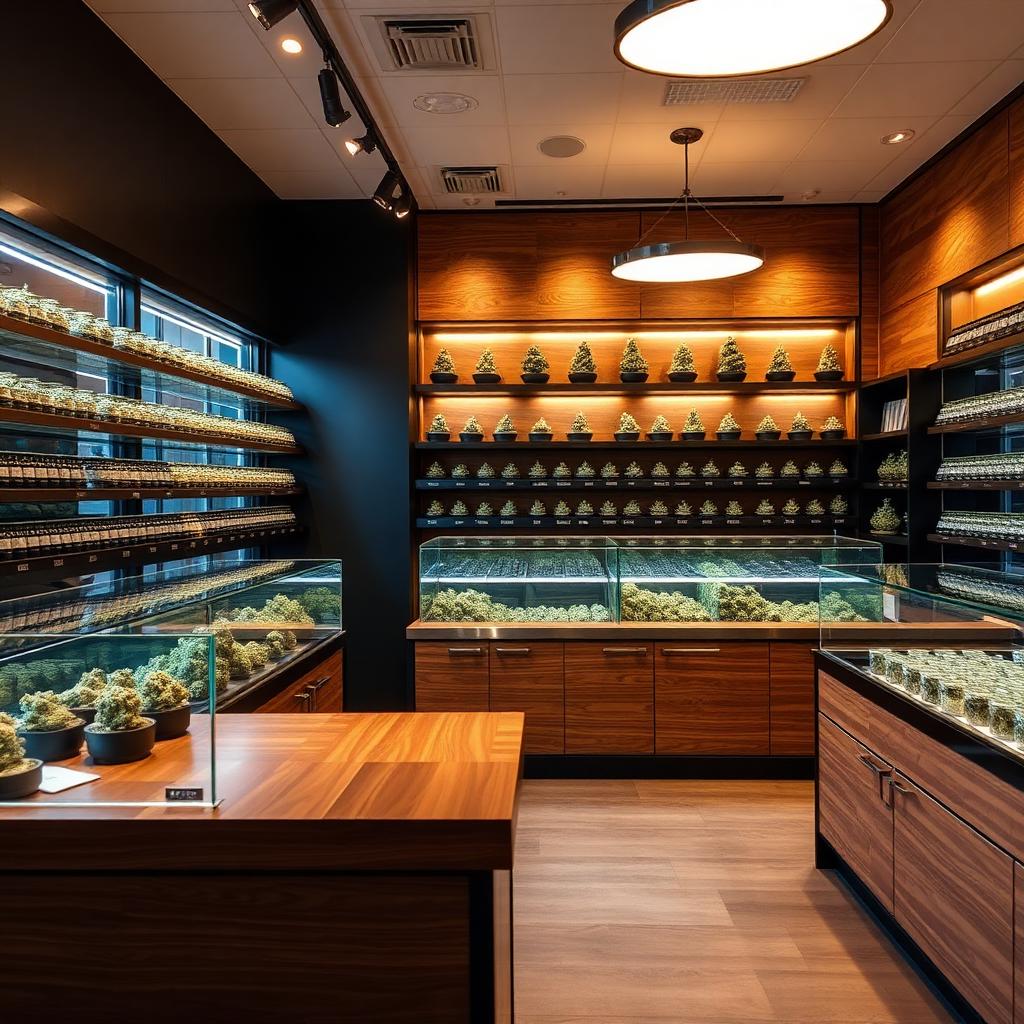
More than a decade of refinement means clear ID checks, consistent product labeling, and a retail experience that feels like high-end specialty retail rather than a gray-market shop.
The state that wrote the playbook for safe, legal, polished cannabis travel — and the rules every visitor needs to know.
Colorado is the original. When recreational sales opened on January 1, 2014, the world watched Denver's lines wrap around the block — and a brand-new tourism category was born. More than a decade later, Colorado still runs one of the most refined adult-use markets on the planet, with hundreds of licensed retailers, strict testing, clear labeling, and infrastructure that makes a first visit feel comfortable rather than confusing.
Legalization date
Amendment 64 — Nov 2012
First legal sale
January 1, 2014
Legal age
21+ with photo ID
Possession limit
2 oz flower (or equivalent)
Colorado approved medical cannabis in 2000 with Amendment 20, building one of the country's earliest regulated medical markets. In November 2012, voters passed Amendment 64, legalizing adult-use cannabis and authorizing a licensed retail system. The first recreational sales opened on January 1, 2014, and within months Colorado had set the model — seed-to-sale tracking, mandatory lab testing, child-resistant packaging, and tax revenue earmarked for public schools.
More than a decade of refinement means clear ID checks, consistent product labeling, and a retail experience that feels like high-end specialty retail rather than a gray-market shop.
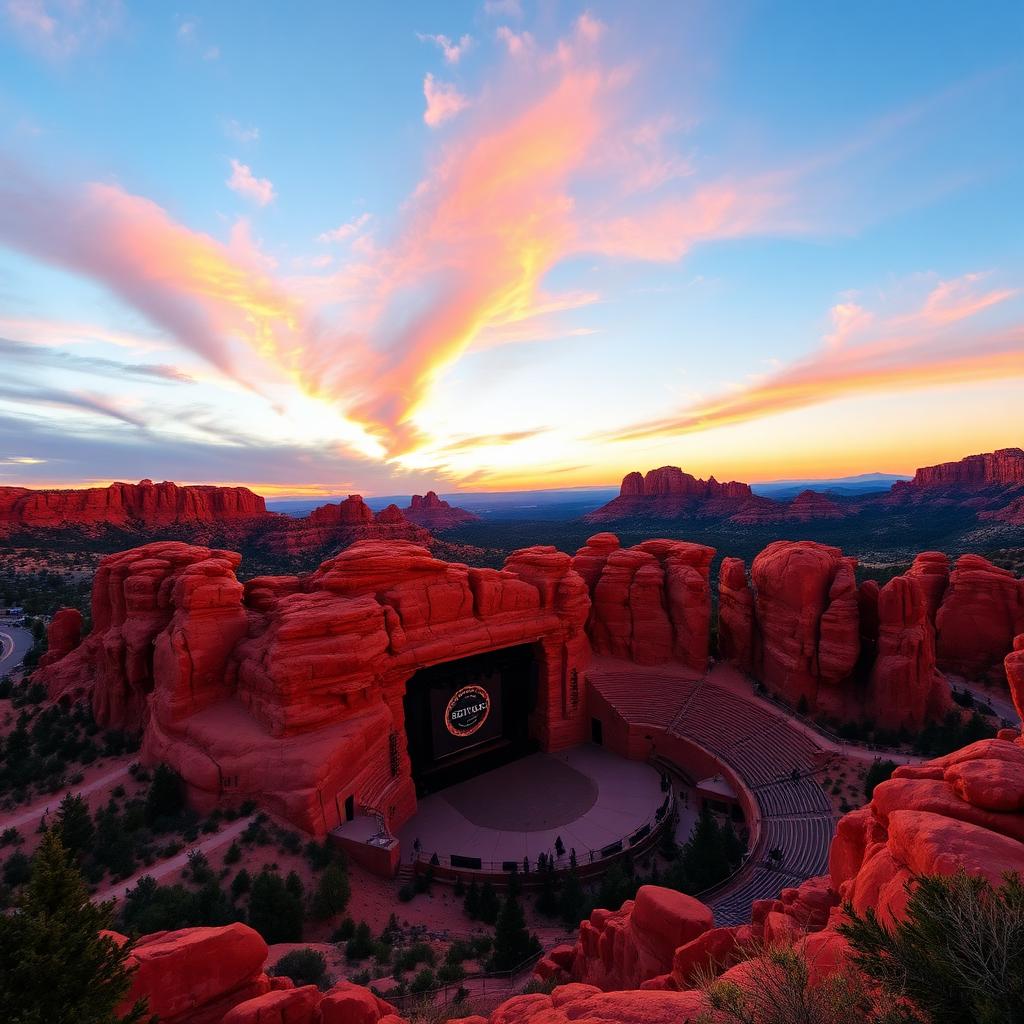
Cannabis sits beside Rocky Mountain hikes, Red Rocks concerts, ski-town weekends, and Boulder wellness — the plant complements an existing world-class destination.
DIA is a major hub, RTD light rail connects to downtown Denver, and ride-share is dense in every major mountain town.
From budget house flower to single-source solventless rosin, beverages, low-dose edibles, and topicals — every comfort level is served.
Up to 2 oz of flower per transaction (or equivalent: 8 g concentrate, 800 mg edibles). Limits apply per dispensary visit but no single-day limit across stores.
Up to 2 oz on your person. Carrying more is a misdemeanor.
Private property only with owner's permission. No consumption in public, on federal land (national parks, ski resort backcountry), in vehicles, or in most hotel rooms.
Driving with 5 ng/mL or more THC in blood is a DUI. Open containers in vehicles are illegal.
Federally illegal — never drive cannabis into another state, even another legal one, and never carry it through TSA.
DIA prohibits cannabis on airport property. Some Colorado airports have amnesty boxes pre-security; use them rather than risk federal charges.
Colorado's main cannabis tourism hubs
Voters passed Amendment 64 in November 2012, and the first legal recreational sales began January 1, 2014 — making Colorado, alongside Washington, the first U.S. state with a fully legal adult-use market.
21 with a valid government-issued photo ID. U.S. driver's licenses and passports are accepted; expired IDs and photos of IDs are not.
Yes. Recreational dispensaries serve any adult 21+ regardless of state of residence. Out-of-state IDs are welcomed.
You can legally purchase and consume in Colorado, but it remains federally illegal to transport cannabis across state lines or through TSA — consume what you buy before you leave.