Overview
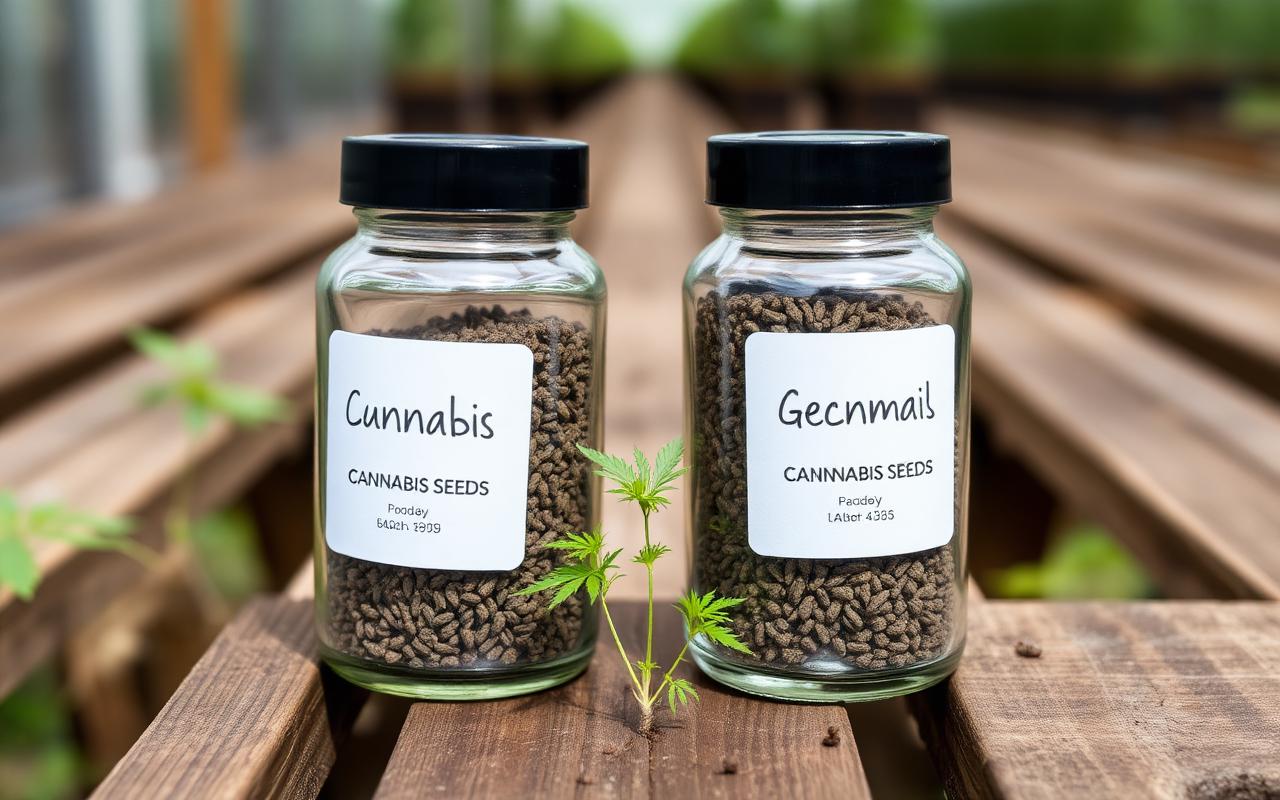
Feminized and autoflowering seeds are the two formats almost every modern home grower chooses between. They solve different problems, suit different setups and produce different results — but the terminology can muddle the choice.
Here's the practical comparison so you can match the seed format to your goals, space and experience level.
Key takeaways
The fast-read version before you dive into the full guide.
Feminized seeds
Genetically female. Need a photoperiod change to flower.
Autoflower seeds
Flower automatically after a fixed age regardless of light schedule.
Feminized timeline
12–18 weeks total, longer with vegetative training.
Autoflower timeline
8–12 weeks total seed-to-harvest, no veg control.
Feminized yield
Higher per plant because of unlimited vegetative training.
Autoflower yield
Lower per plant but faster turnaround means more harvests per year.
What to look for
Use the criteria above as your evaluation checklist. The categories below translate them into concrete tiers you can shop against.
Tiered comparison
How the options stack up at each level.
Autoflower starter
Seed cost varies
Easiest format for first-time growers — set it and forget it.
Best for
Small spaces, beginners, anyone wanting fast results.
Feminized photoperiod
Seed cost varies
More control, more yield, requires light schedule management.
Best for
Growers ready to manage veg/flower transition.
Premium feminized photoperiod from named breeder
Seed cost varies
Best genetics, biggest yield potential, longest commitment.
Best for
Experienced growers chasing specific phenotypes.
Watch out for
Mistakes hurt more when the cycle is longer.
Common mistakes to avoid
MistakeTrying to veg an autoflower for huge yields.
FixAutos ignore your schedule. They start flowering on their own clock — give them their best 8 weeks.
MistakeRunning feminized seeds on 24/0 lighting expecting them to flower.
FixFeminized photoperiod plants need 12/12 light to trigger flowering.
MistakeMixing autos and photos in the same tent on the same schedule.
FixDifferent schedules and timelines make this miserable. Separate them or pick one format.
MistakeBuying regular (non-feminized) seeds without knowing what they are.
FixRegular seeds produce roughly 50% male plants you'll have to cull.
MistakeTopping or training an autoflower aggressively early.
FixAutos have a fixed clock — heavy training during the short veg phase hurts final yield.
The full educational guide
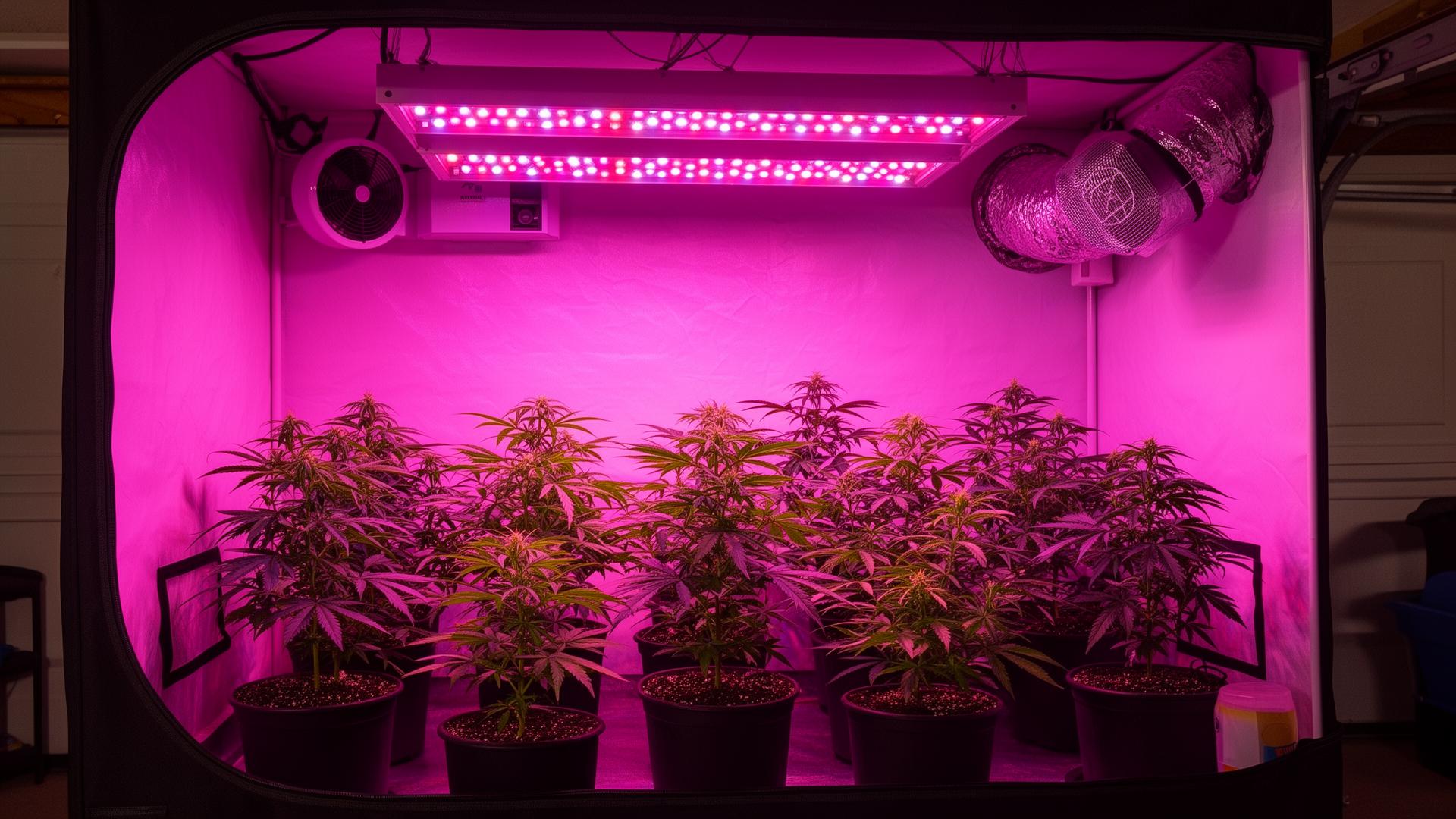
Feminized photoperiod seeds are the legacy format. They produce female plants reliably and let you control veg time, training and harvest timing. That control is power if you know what to do with it — and overwhelming if you don't.
Autoflowers were bred from ruderalis genetics that flower based on age rather than light cycle. That means you can run them on 18/6 or even 20/4 lighting from seed to harvest and they'll still finish in 8–12 weeks. They're the easy mode of home growing.
Yield per plant favors feminized photoperiods because you can veg as long as you want before flipping to flower. Autos are stuck on their fixed clock so the plant only gets as big as it can in the time it has.
Yield per year often favors autos because you can run more cycles in the same space. Two or three auto runs in a year can match or exceed a single feminized run depending on space and skill.
If you're new, start with autos from a reputable breeder. The mistakes you'll make are less punishing in a short cycle and you'll learn the rhythm of growing fast. Move to feminized photoperiods once you understand light, training and timing.
Common Questions
Are autoflowers less potent than feminized photoperiods?
Modern autos rival photoperiod potency — the gap closed in the last few years. Pick a reputable breeder and the difference is minimal.
Can I clone an autoflower?
You can clone them, but the clone inherits the same age clock and won't grow much before flowering. Not practical.
Which is better for outdoor growing?
Autos finish in any climate with enough warm weeks. Photoperiods produce bigger plants but need a long season.
Do autoflowers need different nutrients?
Generally lighter feeding throughout. Their short cycle means less time to recover from nutrient burn.
Can a feminized seed turn into a male plant?
Rarely. Stress during flowering can cause hermaphrodite traits, but proper feminized genetics produce female plants reliably.
Conclusion
Autoflowers for speed and simplicity. Feminized photoperiods for control and bigger yield per plant. Pick based on your space, time and patience — both formats produce great harvests in skilled hands.
Frequently asked
Are autoflowers less potent than feminized photoperiods?
Modern autos rival photoperiod potency — the gap closed in the last few years. Pick a reputable breeder and the difference is minimal.
Can I clone an autoflower?
You can clone them, but the clone inherits the same age clock and won't grow much before flowering. Not practical.
Which is better for outdoor growing?
Autos finish in any climate with enough warm weeks. Photoperiods produce bigger plants but need a long season.
Do autoflowers need different nutrients?
Generally lighter feeding throughout. Their short cycle means less time to recover from nutrient burn.
Can a feminized seed turn into a male plant?
Rarely. Stress during flowering can cause hermaphrodite traits, but proper feminized genetics produce female plants reliably.
Newsletter
Get the weekly Chill drop
Travel guides, dispensary picks, deals, and the funniest weed memes on the internet — straight to your inbox.
Subscribe free