Overview
Home growing cannabis has gone from underground hobby to mainstream skill in legal states. The learning curve is real but completely manageable with the right training.
Here's what home grow training programs typically cover, the formats that work best, and how to pick one matched to your space and budget.
Key takeaways
The fast-read version before you dive into the full guide.
Setup fundamentals
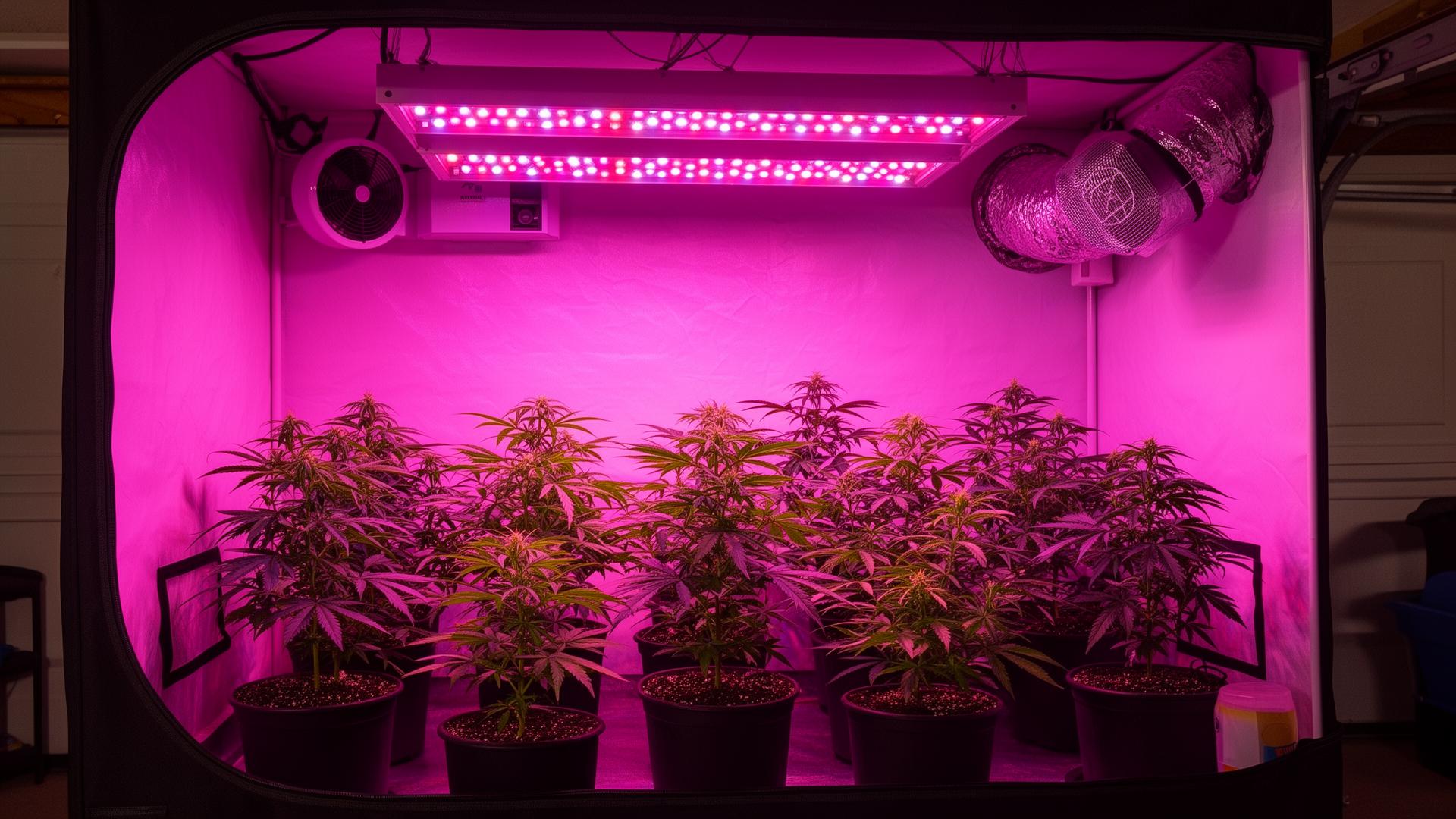
Tent, light, ventilation, medium and nutrients — the four pillars of a basic grow.
Plant lifecycle
Seed, vegetative, flowering, harvest, dry and cure — and what each stage needs.
Lighting science
PAR, DLI, photoperiod control — translating spec sheets into grow decisions.
Nutrients and pH
What plants need at each stage and why pH matters as much as the nutrients themselves.
Pest and disease management
Prevention beats treatment. IPM strategies for home grows.
Harvest and cure
When to chop, how to dry slowly, how to cure for terpene preservation.
What to look for
Use the criteria above as your evaluation checklist. The categories below translate them into concrete tiers you can shop against.
Tiered comparison
How the options stack up at each level.
Free YouTube + community forums
$0
Plenty of solid info, scattered and inconsistent quality.
Best for
Self-directed learners with patience.
Paid self-paced course
$100 – $400
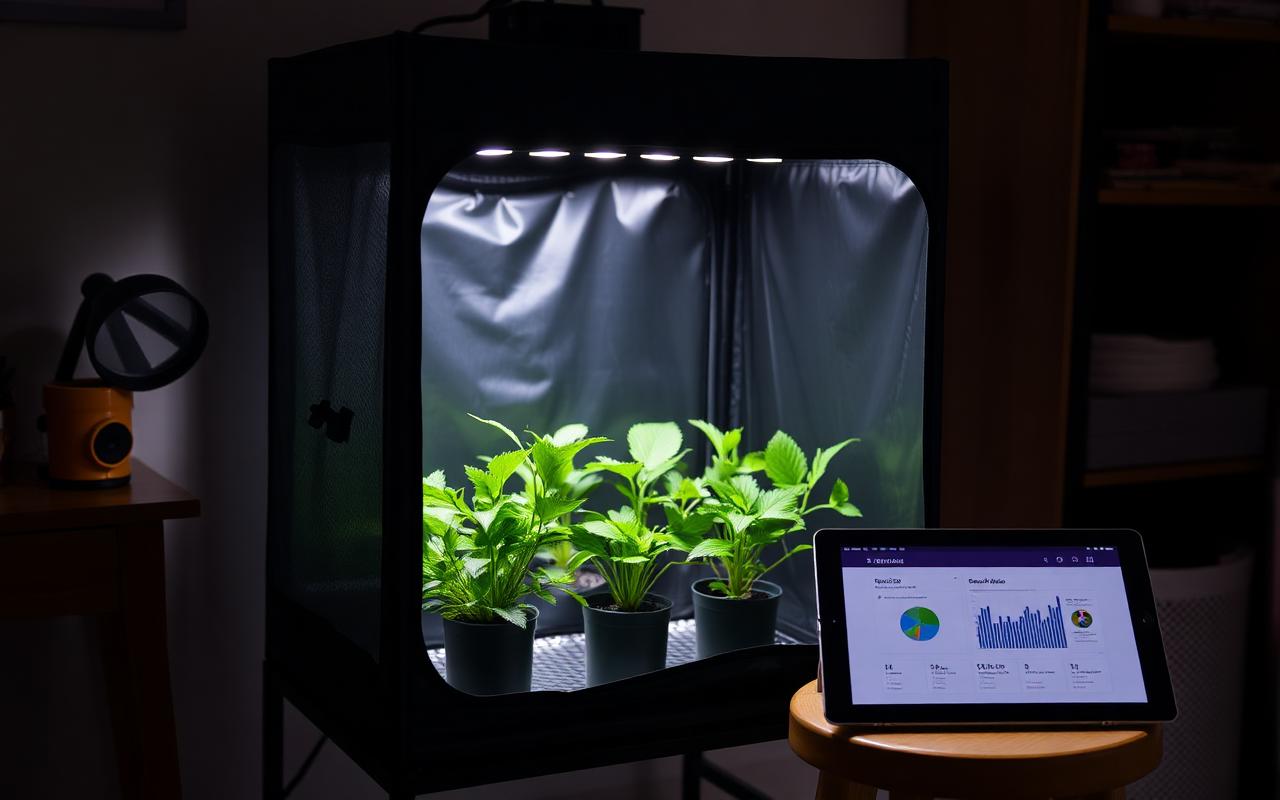
Curated curriculum, often with grow journals to follow along.
Best for
First-time growers wanting structure.
Mentor-led cohort or coaching
$500 – $2,000
Direct access to an experienced grower throughout your first cycle.
Best for
Anyone wanting real-time troubleshooting.
Watch out for
Verify the mentor's credentials and grow style match yours.
Common mistakes to avoid
MistakeLearning from one source only.
FixCross-reference techniques across programs — opinions differ on key choices.
MistakeSkipping setup education and jumping into seeds.
FixAn hour of setup planning saves weeks of plant troubleshooting.
MistakeBuying expensive gear without understanding why.
FixPrograms teach what gear actually matters and what's marketing.
MistakeTreating one harvest as the finish.
FixEach cycle teaches you something. Plan for multiple grows in your learning curve.
MistakeIgnoring the cure stage.
FixPoor curing wastes great growing. Most programs underemphasize this — make sure yours doesn't.
The full educational guide
The fundamental structure of a home grow is simple: a contained environment with controlled light, airflow, nutrients and water. Training programs that frame everything around this basic system are easier to follow than those that dive straight into advanced techniques.
Lighting deserves disproportionate attention because it's the single biggest variable in your grow. Programs that explain PAR, DLI and how to read photometric distribution charts give you the foundation to choose any light intelligently.
Nutrients confuse new growers more than any other topic. Programs that teach the relationship between nutrients, pH and your medium (soil, coco, hydro) up front prevent most lockout and burn issues that derail beginners.
IPM (Integrated Pest Management) is the unglamorous topic that saves grows. Programs covering quarantine, environmental controls, beneficial insects and chemical-free preventatives give you tools to handle pests before they spiral.
Harvest and cure get short shrift in many programs because by then the grower is excited to consume. The cure stage is where 'good' becomes 'great' — slow drying at 60°F and 60% humidity, then 2+ weeks in jars with daily burping. Programs that emphasize this teach what experienced growers know.
Common Questions
Can I learn to grow cannabis from a single course?
You can learn enough to complete a basic grow. Mastery takes multiple cycles and ongoing learning.
What's better — books, videos or live courses?
Live courses for interaction, videos for visual processes, books for reference. Most growers use all three over time.
Do I need a grow training program to grow successfully?
No, but training accelerates the learning curve dramatically and prevents costly mistakes.
How much does a good home grow course cost?
$100–$400 covers most quality self-paced programs. Mentorship is more.
What's the most important thing a grow course should teach?
Environmental control. Light, temperature, humidity and airflow drive every other variable.
Conclusion
Home grow training shortcuts years of trial and error. Pick a program that covers fundamentals deeply, emphasizes environment and IPM, and treats harvest and cure as essential — not afterthoughts.
Frequently asked
Can I learn to grow cannabis from a single course?
You can learn enough to complete a basic grow. Mastery takes multiple cycles and ongoing learning.
What's better — books, videos or live courses?
Live courses for interaction, videos for visual processes, books for reference. Most growers use all three over time.
Do I need a grow training program to grow successfully?
No, but training accelerates the learning curve dramatically and prevents costly mistakes.
How much does a good home grow course cost?
$100–$400 covers most quality self-paced programs. Mentorship is more.
What's the most important thing a grow course should teach?
Environmental control. Light, temperature, humidity and airflow drive every other variable.
Newsletter
Get the weekly Chill drop
Travel guides, dispensary picks, deals, and the funniest weed memes on the internet — straight to your inbox.
Subscribe free