Why CBD and THC Travel Differently
CBD and THC are both cannabinoids, but most legal systems treat them very differently. THC is psychoactive; CBD is not. Yet some countries restrict both, and some restrict CBD more harshly than they restrict low-THC hemp.
When in doubt
THC Travel Rules
THC is illegal in most countries and on all international flights. Even between two legal jurisdictions (Canada to Amsterdam, for example), cross-border THC transport is treated as contraband.
Domestic flights within a single legal country (e.g. California to Nevada) have more relaxed enforcement in practice but are technically still subject to federal airspace law in the US.
CBD Travel Rules
CBD rules vary dramatically:
- United States — hemp-derived CBD under 0.3% THC is federally legal; TSA permits it
- European Union — most countries allow hemp CBD under specific THC limits
- United Kingdom — CBD legal with quality and labeling regulations
- Canada — CBD regulated like cannabis; only licensed sales allowed
- Japan — CBD legal only if completely THC-free
- Singapore & UAE — CBD restricted or banned; do not bring any product
Full Spectrum vs Isolate
- CBD Isolate — THC-free, safest for international travel where CBD itself is legal
- Broad Spectrum — THC-free with other cannabinoids; safer than full spectrum
- Full Spectrum — contains trace THC; riskier internationally and can affect drug tests
CBD Travel Tips
- Carry original packaging with lab results (Certificate of Analysis)
- Verify the destination country's specific CBD laws
- Use only commercially produced, properly labeled products
- When traveling to restrictive regions, leave all CBD home
- Liquids over 3.4oz must be in checked luggage
Bottom Line
THC: never cross international borders. CBD: only with research, documentation, and certainty about the destination's rules. The safest universal approach is to travel cannabis-free and purchase locally from licensed retailers at your destination.
Frequently asked
What's the legal difference between CBD and THC?
THC is the psychoactive compound that produces a high. CBD is non-intoxicating. Most countries regulate the two differently — but not always logically.
Can I fly with CBD?
In the US, TSA allows hemp-derived CBD under 0.3% THC. Internationally, rules vary widely — some countries ban all CBD outright.
Is CBD legal everywhere?
No. Countries like Singapore, the UAE, and Japan have strict CBD restrictions. Many other countries restrict full-spectrum CBD.
Can I fly with CBD oil and gummies?
In the US, yes — under 0.3% THC. Liquids over 3.4oz must go in checked luggage; smaller bottles can go in carry-on.
Will CBD show on a drug test?
Pure CBD won't, but full-spectrum CBD can sometimes contain enough THC to trigger a positive on sensitive workplace tests.
Is hemp CBD legal in the EU?
Most EU countries allow hemp CBD under specific THC limits, but rules vary by country. Check before traveling.
What about THC-free CBD isolate?
THC-free isolate is the safest international choice but is still banned in some restrictive jurisdictions.
Should I travel with CBD at all?
When in doubt, leave it home. CBD products are widely available worldwide — purchasing at your destination is the safest option.
Newsletter
Get the weekly Chill drop
Travel guides, dispensary picks, deals, and the funniest weed memes on the internet — straight to your inbox.
Subscribe freeRelated Travel Guides
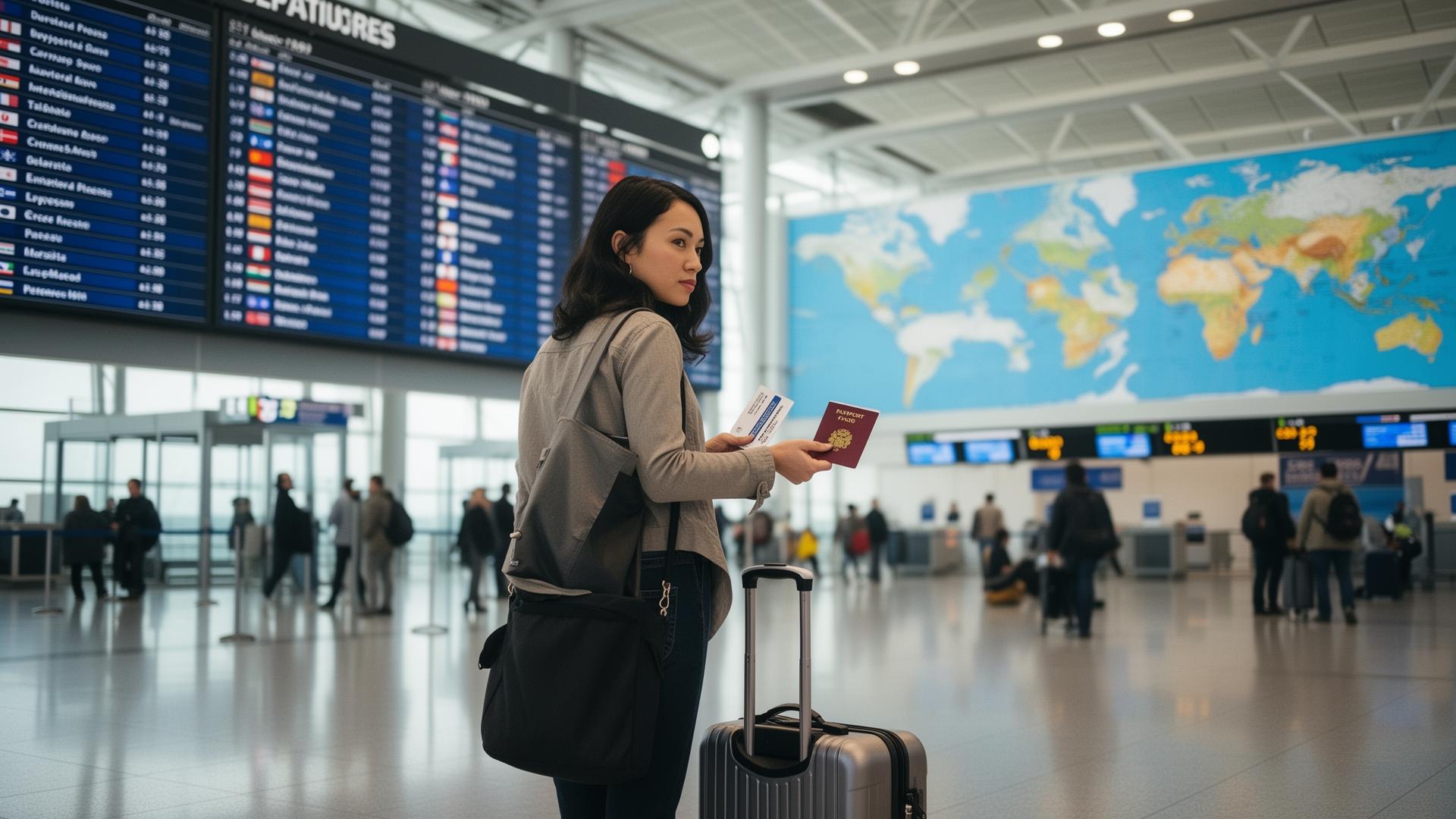
Airport Security Cannabis Rules
International Cannabis Travel Guide
Cannabis Travel Laws by Country
Where Is Cannabis Legal for Tourists?
Traveling With Cannabis
Thailand Cannabis Travel Guide
Canada Cannabis Travel Guide
Amsterdam Coffeeshop Culture