Overview
Cannabis drug tests don't look for THC the way you'd expect. Most screens detect THC-COOH, a metabolite your body produces after THC is broken down. Different sample types (urine, saliva, hair, blood) have very different detection windows because that metabolite shows up — and clears — at different rates.
Knowing which method an employer, lab or athletic body is using is the single most important piece of context. A method that catches use from yesterday is wildly different from one that can flag use from three months ago.
Key takeaways
The fast-read version before you dive into the full guide.
Urine tests
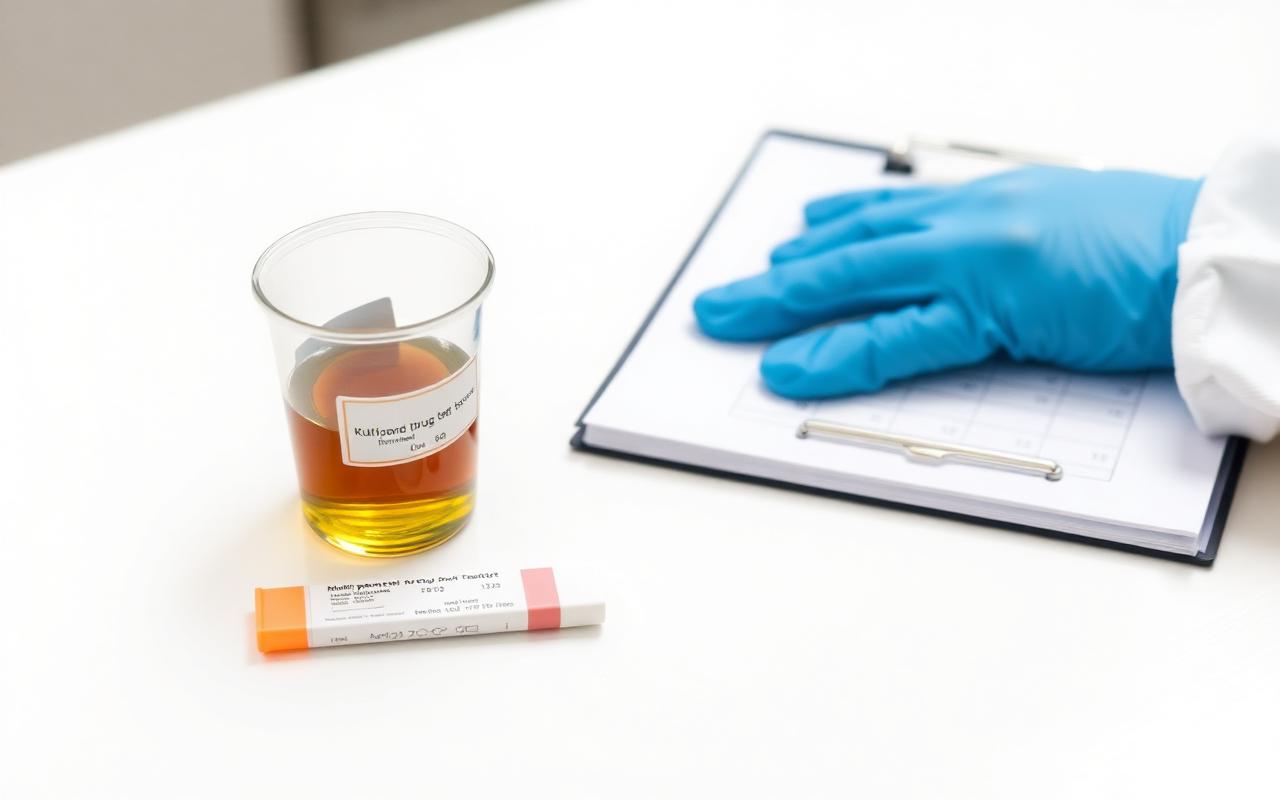
Most common employment screen. Detects THC-COOH for days to weeks depending on frequency.
Saliva tests
Looks for parent THC, not the metabolite. Detection window is usually 24–72 hours.
Hair tests
Long lookback — up to 90 days. Misses very recent use because hair has to grow out of the scalp.
Blood tests
Short window, typically hours to a day or two. Used in DUI and accident contexts.
Immunoassay vs GC/MS
Initial cup-style tests are immunoassays. Positives are confirmed with GC/MS lab testing.
Cutoff thresholds matter
A 50 ng/mL urine cutoff is far more forgiving than a 20 ng/mL cutoff.
What to look for
Use the criteria above as your evaluation checklist. The categories below translate them into concrete tiers you can shop against.
Tiered comparison
How the options stack up at each level.
Single-panel home test
$5 – $15
Strip or cassette that checks THC metabolites only.
Best for
Quick personal screening before a workplace test.
Watch out for
Not legally admissible; results vary by hydration.
Multi-panel home kit
$15 – $35
Screens THC plus 4–10 other substances at clinical cutoff levels.
Best for
Households, parents, sports prep.
Mail-in lab confirmation
$60 – $150
Chain-of-custody lab test with GC/MS confirmation.
Best for
Pre-employment prep, custody proceedings, anything where accuracy matters.
Watch out for
Turnaround is 2–5 business days.
Common mistakes to avoid
MistakeAssuming all tests have the same detection window.
FixAsk which sample type and lab the test uses before assuming you're cleared.
MistakeChugging water before a urine test.
FixDilution often triggers a 'sample invalid' result and a retest, which is worse.
MistakeTrusting one home test result blindly.
FixRun two on different days; immunoassay strips have a real false-negative rate.
MistakeConfusing CBD products with THC.
FixSome full-spectrum CBD contains enough THC to trigger a positive over time.
MistakeBelieving detox drinks 'flush' THC.
FixMost just dilute urine temporarily and lab testers know what to look for.
The full educational guide
Urine testing is overwhelmingly the most common workplace screen in the U.S. because it's cheap, non-invasive and has a long enough window to catch regular use. A daily consumer can test positive for 30 days or more after their last session; an occasional user often clears in 3–10 days.
Saliva tests are growing fast in workplace and roadside contexts because they detect very recent use. That's useful for impairment-based policies — if someone tests positive on a swab they likely consumed in the last day or two.
Hair testing has the longest lookback but the worst near-term resolution. Because cannabis metabolites are deposited as hair grows, a 1.5-inch sample roughly covers the last 90 days. It's used heavily in custody, security clearance and some pre-employment situations.
Blood testing is rarely used outside DUI investigations, medical settings and elite athletics. THC clears the bloodstream quickly, so blood is only useful for proving very recent use.
Lab confirmation matters because immunoassay strips can be fooled by certain medications, supplements and even hydration extremes. Any high-stakes positive should always be reflexed to GC/MS or LC-MS/MS testing before action is taken.
Common Questions
What do cannabis drug tests actually look for?
Most tests look for THC-COOH, a metabolite created when your liver breaks down THC. Saliva tests look for parent THC because it sits in the mouth from recent use.
Which test has the longest detection window?
Hair testing — up to roughly 90 days with a standard 1.5-inch sample. Urine is next for heavy users, followed by saliva, then blood.
Can secondhand smoke cause a positive test?
Only in extreme, prolonged unventilated exposure. Normal incidental exposure is well below standard cutoffs.
Are at-home tests accurate?
Decent immunoassay strips are about 95% accurate at the marketed cutoff but vary with urine concentration. For anything important, follow up with a lab confirmation.
Does CBD show up on a drug test?
Pure CBD shouldn't. Full-spectrum CBD products can contain trace THC and have triggered positives in heavy daily users.
Conclusion
Cannabis tests look for different things on different timelines. Match the method to the situation, confirm anything important in a lab, and don't trust internet 'detox' shortcuts.
Frequently asked
What do cannabis drug tests actually look for?
Most tests look for THC-COOH, a metabolite created when your liver breaks down THC. Saliva tests look for parent THC because it sits in the mouth from recent use.
Which test has the longest detection window?
Hair testing — up to roughly 90 days with a standard 1.5-inch sample. Urine is next for heavy users, followed by saliva, then blood.
Can secondhand smoke cause a positive test?
Only in extreme, prolonged unventilated exposure. Normal incidental exposure is well below standard cutoffs.
Are at-home tests accurate?
Decent immunoassay strips are about 95% accurate at the marketed cutoff but vary with urine concentration. For anything important, follow up with a lab confirmation.
Does CBD show up on a drug test?
Pure CBD shouldn't. Full-spectrum CBD products can contain trace THC and have triggered positives in heavy daily users.
Newsletter
Get the weekly Chill drop
Travel guides, dispensary picks, deals, and the funniest weed memes on the internet — straight to your inbox.
Subscribe free