Overview
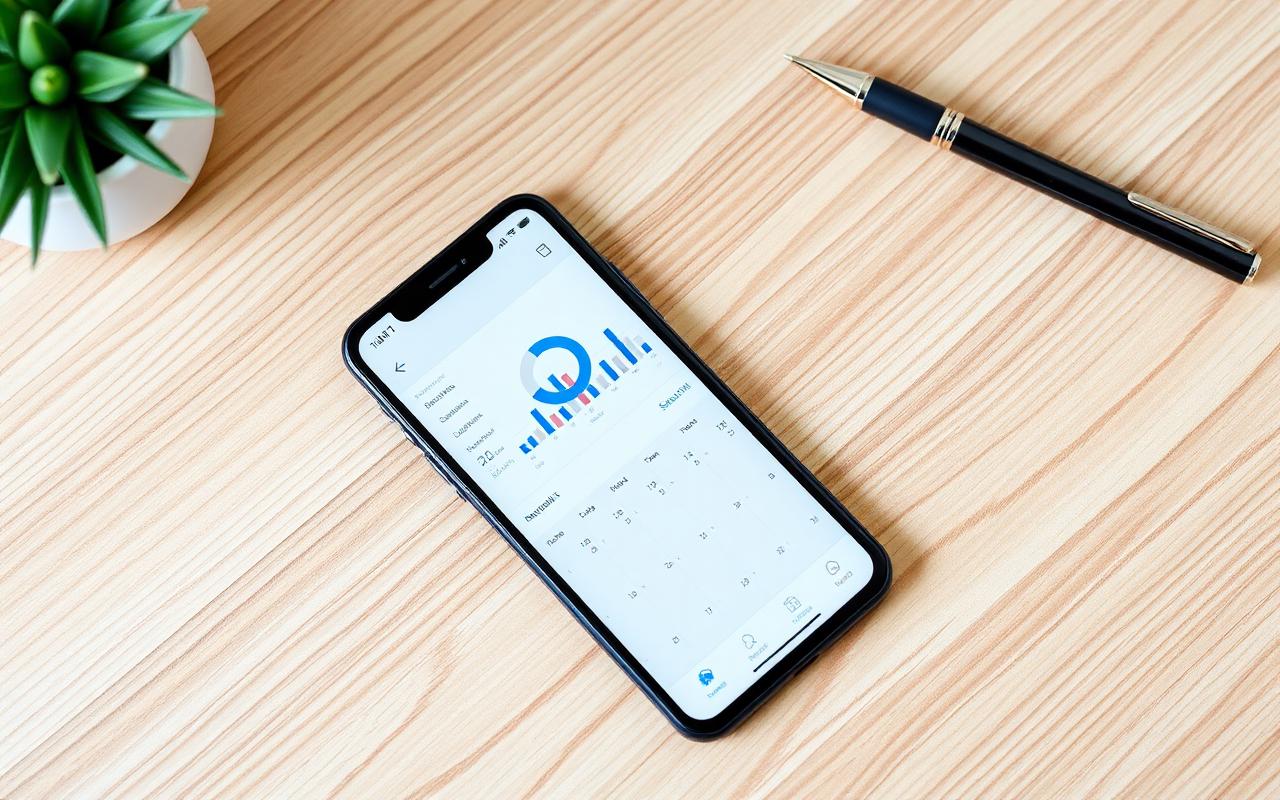
Cannabis tracking apps turn your loose memory of 'I think that strain was good' into actual data: what you consumed, when, how much, how it made you feel and what your patterns look like over months.
Here's what to look for in a tracking app and how the better ones genuinely improve your experience over time.
Key takeaways
The fast-read version before you dive into the full guide.
Strain logging
Save strains you've tried with notes on effects and quality.
Consumption method tracking
Flower, edibles, vapes — different methods produce different patterns.
Dose tracking
Especially valuable for edibles, where 'one piece' means very different things.
Effects journaling
Mood, sleep, focus, anxiety — track what actually matters to you.
Pattern reports
Weekly and monthly views that surface trends you'd otherwise miss.
Privacy first
Local-first or strong privacy practices matter for this category.
What to look for
Use the criteria above as your evaluation checklist. The categories below translate them into concrete tiers you can shop against.
Tiered comparison
How the options stack up at each level.
Free basic tracker
$0
Simple logging without analytics or detailed reporting.
Best for
Casual consumers wanting basic memory backup.
Freemium with premium tier
$5 – $10/month
Full feature set including analytics, reports and export.
Best for
Regular consumers wanting real insights.
Specialized medical tracker
$10 – $25/month
Symptom-focused tracking, healthcare-provider sharing.
Best for
Medical patients managing specific conditions.
Watch out for
Verify the app meets your privacy and HIPAA expectations.
Common mistakes to avoid
MistakeTracking inconsistently for a week then quitting.
FixEven imperfect tracking over 3 months beats perfect tracking for a week.
MistakeLogging only THC percentage.
FixStrain, method, dose, time of day and your mood matter more than the number.
MistakeIgnoring privacy policy.
FixCannabis data is sensitive. Read the privacy policy before signing up.
MistakeChoosing an app with too many fields.
FixIf logging takes more than 30 seconds, you won't keep it up.
MistakeNot reviewing your data.
FixSet a monthly reminder to look at trends — that's where the value lives.
The full educational guide
Strain logging is the foundation of any tracker. Without it, you can't compare experiences over time or learn which strains actually work for your goals — sleep, focus, social, recovery. Good apps make strain entry quick and let you rate effects across multiple dimensions.
Dose tracking is where apps especially help with edibles. 'I had a brownie' tells you nothing in two weeks; '15mg THC edible at 8pm, slept well, no morning fog' is real data you can act on.
Effects journaling separates great trackers from passive logbooks. The best apps let you track what matters to you — anxiety, pain, sleep, creativity — and surface patterns in those over time rather than just consumption events.
Pattern reports are where the value materializes. Monthly summaries showing which strains worked best for sleep, which times of day correlated with productivity, which methods you actually enjoy — these insights compound the longer you track.
Privacy deserves real attention with cannabis data. Look for apps that store data locally, offer encrypted backups and have clear policies about not selling consumption data to third parties. Some apps specifically advertise zero data sharing — those are worth paying for.
Common Questions
What's the best cannabis tracking app?
Depends on your goals. Strainprint and Releaf focus on medical patients; consumer apps like Goldleaf and Jane focus on recreational tracking with strain libraries.
Is my data private in cannabis tracking apps?
It varies. Read the privacy policy. Look for apps that store data locally or offer encrypted cloud backup without sharing.
How long until I see patterns from tracking?
Two to three months of consistent logging reveals meaningful patterns. Less than that is mostly noise.
Do I need a paid tracking app?
Free apps work for basic logging. Paid tiers add analytics and reports that are genuinely useful.
Can tracking apps help with cannabis tolerance?
Yes — they make it visible when consumption is climbing, helping you take breaks before tolerance becomes a problem.
Conclusion
A good tracking app turns your cannabis experience into data you can actually learn from. Pick one with strong privacy practices, quick logging and genuine analytics — then commit to consistency for at least 3 months.
Frequently asked
What's the best cannabis tracking app?
Depends on your goals. Strainprint and Releaf focus on medical patients; consumer apps like Goldleaf and Jane focus on recreational tracking with strain libraries.
Is my data private in cannabis tracking apps?
It varies. Read the privacy policy. Look for apps that store data locally or offer encrypted cloud backup without sharing.
How long until I see patterns from tracking?
Two to three months of consistent logging reveals meaningful patterns. Less than that is mostly noise.
Do I need a paid tracking app?
Free apps work for basic logging. Paid tiers add analytics and reports that are genuinely useful.
Can tracking apps help with cannabis tolerance?
Yes — they make it visible when consumption is climbing, helping you take breaks before tolerance becomes a problem.
Newsletter
Get the weekly Chill drop
Travel guides, dispensary picks, deals, and the funniest weed memes on the internet — straight to your inbox.
Subscribe free