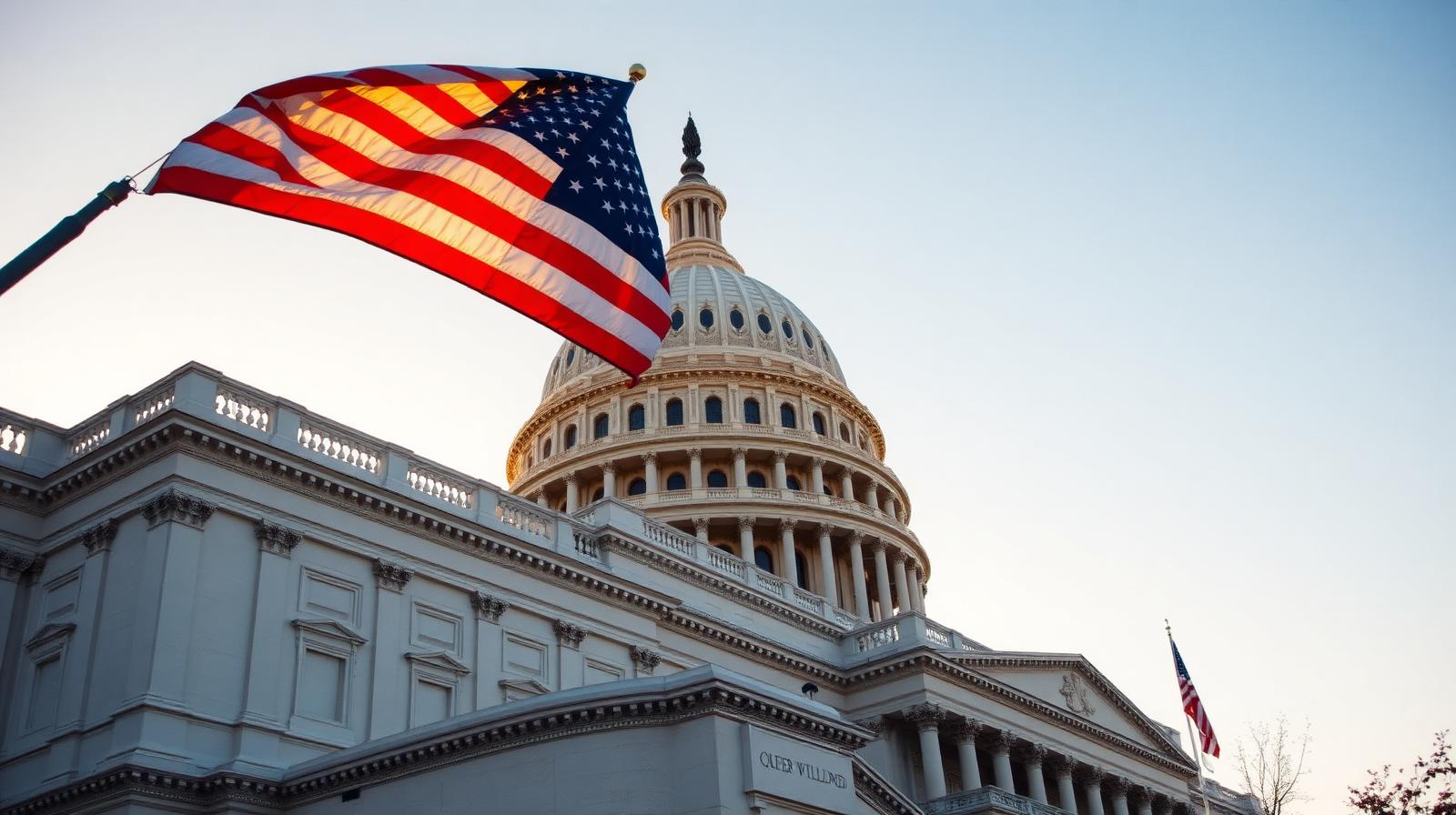
What is the difference between federal and state cannabis law?
Federal law classifies cannabis as a Schedule I controlled substance under the 1970 Controlled Substances Act — illegal across every state, every federal building, and every piece of federal land. State law operates independently inside each state's borders, and 24 states plus DC have chosen to legalize adult-use cannabis.
The result is a uniquely American legal split: cannabis is simultaneously illegal everywhere (federally) and legal in over half the country (by state). The way these systems coexist explains nearly every real-world rule consumers run into.
Doesn't federal law override state law?
Constitutionally, yes. The Supremacy Clause means federal law preempts conflicting state law. In cannabis, the federal government has simply chosen not to enforce against state-legal activity — first informally under the Cole Memo (2013), then formally through the annual Rohrabacher-Farr amendment, which since 2014 has blocked the DOJ from spending money to prosecute state-legal medical cannabis. It's a fragile peace built on a budget rider, not a permanent law.
Where does federal law actively apply inside legal states?
Inside any of these locations, federal cannabis law applies even when the surrounding state is fully recreational.
Why can't cannabis businesses use normal banks?
The banking problem is the clearest federal-state collision
The proposed SAFE Banking Act would protect banks that serve state-legal cannabis businesses. It has passed the House multiple times and remains pending in the Senate as of 2026.
What would federal rescheduling change?
The DEA's proposal to move cannabis from Schedule I to Schedule III would acknowledge accepted medical use and free cannabis businesses from the punishing IRS Section 280E tax rule. It would not legalize recreational use federally — adult-use markets would still operate in a state-only legal space.
For ongoing coverage, see our federal rescheduling news.
What does this mean for consumers and travelers?
In short: stay inside the state line, off federal land, and out of federal airspace. For the state-by-state map see cannabis legality across all 50 states, and for travel implications see our cannabis in national parks guide.
Frequently asked
What is the difference between federal and state cannabis law?
Federal law lists cannabis as a Schedule I controlled substance, illegal nationwide. State law independently legalizes, regulates, or prohibits cannabis within each state's borders.
Which law wins when federal and state conflict?
Constitutionally, federal law preempts state law — but the federal government has chosen not to enforce against state-legal cannabis activity since 2014 under the Rohrabacher-Farr budget amendment.
Is cannabis legal on federal land in legal states?
No. National parks, national forests, military bases, federal buildings, and federal monuments are federal jurisdiction even when surrounded by a recreational state.
Can banks legally serve cannabis businesses?
Mostly no. Most major banks decline cannabis accounts because of federal AML risk. The SAFE Banking Act has been proposed multiple times but not passed as of 2026.
Why is cannabis Schedule I federally?
Cannabis was placed in Schedule I in the 1970 Controlled Substances Act. Schedule I defines substances with no accepted medical use and high abuse potential — a classification widely contested today.
Is cannabis rescheduling happening?
The DEA has formally proposed moving cannabis to Schedule III, which would acknowledge medical use and reduce business tax burdens — but it would not legalize recreational use federally.
Can the federal government arrest people in legal states?
Legally yes; in practice, almost never for personal use. Federal prosecutors focus on interstate trafficking, large-scale operations, or violations of state regulation.
Why can't you cross state lines with cannabis?
Interstate transport falls under federal jurisdiction regardless of state law. Even moving product between two recreational states is a federal felony.
Newsletter
Get the weekly Chill drop
Travel guides, dispensary picks, deals, and the funniest weed memes on the internet — straight to your inbox.
Subscribe free